Unit 5A Jefferson Way, Thame, Oxfordshire, OX9 3SZ

Search machine types, applications, buyer guidance and filling-line topics.

Industrial liquids and pastes

How should paint and coatings filling machines be specified?

Paint filling machinery should be selected around the coating formulation, settled or mixed condition, required quantity and container—not the word paint alone. Water-based emulsions, solvent-borne coatings and pigment-rich pastes can require different feed, measurement, shut-off, cleaning and safety arrangements. Assess the complete route from mixing vessel to closed can, pail or drum.

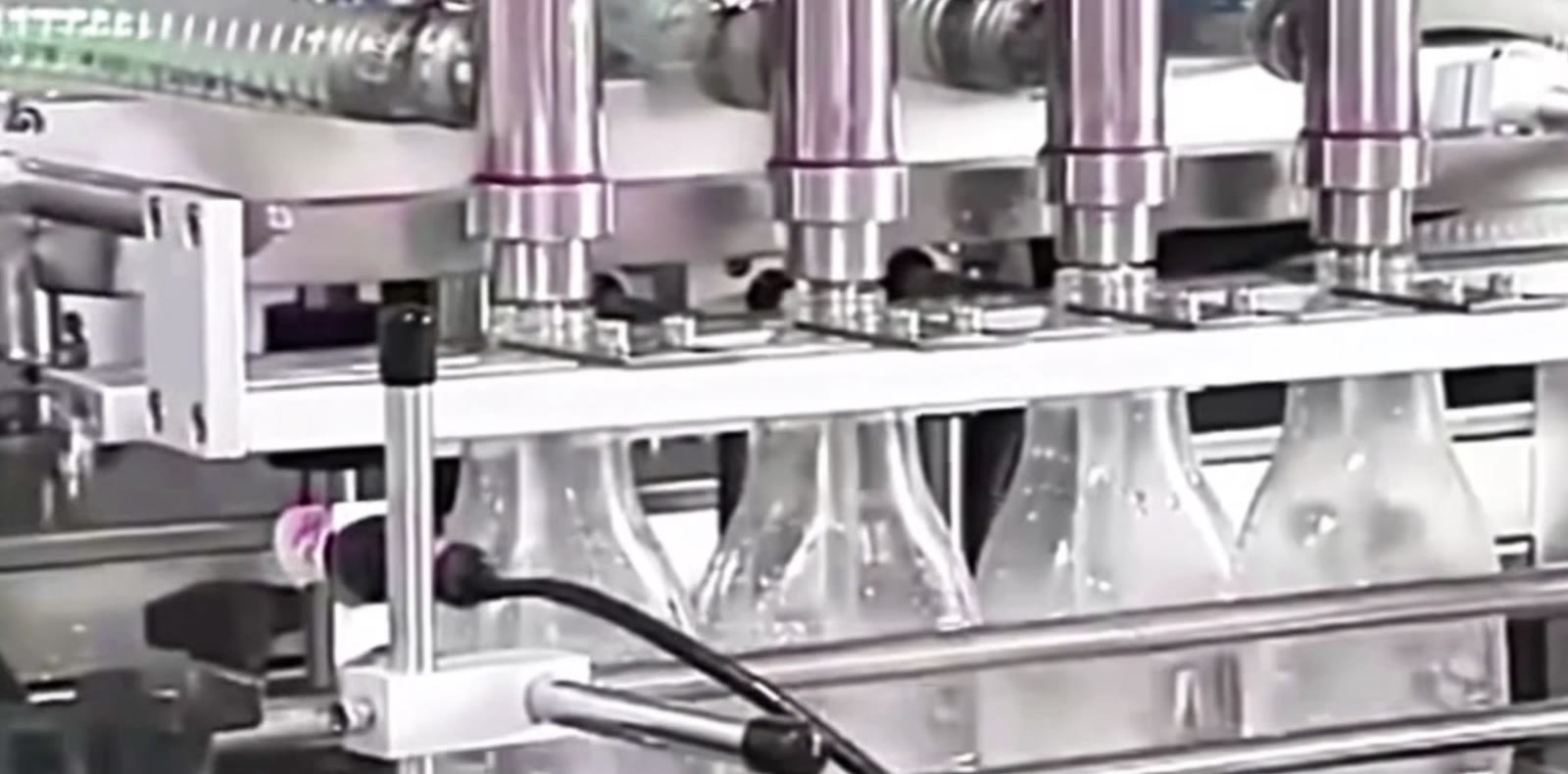
Automatic filling-line layout illustration; configuration depends on the product and pack
Filling-line illustration. The application and acceptance criteria determine the final machinery specification.

Define the formulation and its condition at the filling point

Send the product safety data sheet and the operating conditions without needing to disclose a confidential formula through the enquiry form. Useful information includes normal temperature, viscosity behaviour, density basis, solids or pigment characteristics, settling, foaming and whether exposure to air changes the material.

A product can be easy to pump after mixing and difficult to restart after standing. A coating that changes with shear may behave differently after a long transfer route. Ask which conditions were represented in a trial: newly mixed product, normal hold time, minimum vessel level and an agreed pause are different cases.

Pigment or filler abrasion is a product-path selection issue, not a reason to assume every paint is abrasive. Verder’s paint and lacquer guidance and its pigment-handling example illustrate why chemical compatibility, viscosity and wear deserve separate review. These are general technical references, not Lancing performance tests.

Compare measurement and product transfer independently

Paint-filling routes to assess against the formulation
RouteWhat it controlsImportant limitation to resolve
Net-weight fillingThe mass delivered to a correctly supported and tared containerVibration, hose forces, settling time and the difference between mass and declared volume
Piston or positive-displacement pump fillingA controlled displacement with application-specific calibrationValve clearance, solids, slip or wear, product supply and clean shut-off
Flowmeter-controlled fillingA measured flow quantity interpreted by the selected meter technologyMeter compatibility, gas, stable operating conditions and usable measurement range
Gravity or timed flowFlow through a controlled path under defined supply conditionsChanging head, viscosity or temperature can alter the delivered quantity

A pump used to transfer coating from a vessel is not automatically the quantity-measuring device. Agree which element ends the fill and how the final dose is checked. See pump filling, flowmeter filling and net-weight filling for the distinct control principles.

When selling or specifying by volume but checking by mass, define a representative density and temperature basis. A mass target cannot be translated into a volume claim by using one assumed density across different colours or formulations. Independent quantity checks remain necessary.

Control the rim, handle and closure as part of the filling duty

Provide the actual can or pail with its lid and handle, not only nominal capacity. Handles can interfere with guides or sensors; a narrow can aperture can restrict a nozzle that works in an open pail. Lightweight empty containers and heavy filled containers may need different transfer and support conditions.

Paint on a closure land can affect lid application and cleanliness even when the dose passes inspection. Assess nozzle tailing, splash and drips during withdrawal. A lid press should be selected against the actual closure drawing and supplied pack; do not treat a lid-present signal as proof of a fully engaged closure.

For a weighed fill, check whether a guide, hose or adjacent conveyor is carrying part of the load. For larger packs, include removal, accumulation and lifting in the machinery boundary. Use large-container filling guidance rather than extending a small-bottle assumption to a drum station.

Make colour change and recovery a measurable project requirement

Describe the intended colour sequence and the acceptable carryover boundary before choosing a shared product path. Pipe length, pump cavities, valve seats, hoses and nozzles all influence retained material and access. Distinguish recoverable product, flush material and cleaning waste; a short mechanical changeover is not the same as a released colour change.

Compare a common line, dedicated circuits or exchangeable product-contact parts against the actual batch pattern. Any recovery or circulation arrangement must preserve product quality and safe operation. Graco’s supply and circulation overview provides technical background on paint transfer and colour handling, without establishing a cleaning result for the proposed filler.

Agree a safe test sequence with identified product samples. Record remaining colour, restart condition, time for checking and who releases the first accepted pack. Where cleaning uses hazardous substances, the cleaning operation belongs in the risk assessment as well as the production fill.

Do not infer hazardous-area suitability from the product name

Water-based does not mean risk-free, and solvent-borne does not determine an equipment category by itself. The actual substances, process, releases, ventilation and installation need assessment. Pumps, controls, sensors, transfer, cleaning and the closure area can all be part of that boundary.

The HSE DSEAR guidance explains assessment and control of risks from dangerous substances, including identification of places where an explosive atmosphere may occur. Provide the assessment and site requirements before specifying hazardous-area filling equipment. No ATEX zone or certification is asserted for a machine merely because it appears in this guide.

For two-component products, distinguish filling separate components from proportioning and mixing them. Mixing can introduce a working-time limit and a different cleaning and reaction risk. Do not assume a standard single-component filler provides ratio control or safe mixed-product handling.

Buyer questions about paint and coatings filling

Is net-weight filling always the best method for paint?

No. Net-weight filling is useful when mass is the controlling quantity, but it still needs a suitable feed system, stable support, reliable tare and clean cut-off. Compare it with displacement or flow measurement using the real formulation and pack. The chosen method must satisfy the agreed quantity and production requirements.

Why can paint-filling performance change between colours?

Different colours or batches may differ in density, viscosity, pigment loading, entrained air or settling. A previously accepted setting should not be assumed suitable without first-off checks. Product changes and wear should be distinguished before the operator compensates by changing the dose.

Can a weighed paint fill be used for a volume-labelled pack?

It may form part of an appropriate quantity-control method, but only with a valid relationship between product mass, density and temperature. A stored mass target does not directly measure volume. Agree the method and verification with the responsible quantity-control team for the actual product and destination market.

Can one automatic line fill small cans and large pails?

Only when the full format family is engineered and tested. Container diameter, height, handles, weight, support, nozzle travel and closure equipment all change the task. An adjustable nozzle alone does not establish a usable container range or a safe transfer system.

What should a colour-change trial demonstrate?

It should demonstrate the agreed carryover condition, recoverable product, cleaning sequence, restart behaviour and release checks using the intended sequence of products. Include pump, valves, transfer hose and nozzle. Do not infer a cleaning result from clear flush liquid at only one inspection point.

Information for a useful machinery discussion

  • Product safety data and normal operating temperature and mixing condition
  • Density basis, viscosity behaviour, pigment or solids and any settling
  • Quantity range and mass or volume requirement for each formulation
  • Production cans, pails or drums with handles and final closures
  • Colour sequence, recovery policy, cleaning method and release criteria
  • Site risk assessment, product-feed route and accepted output target

This is general machinery-selection guidance, not a confirmed specification or completed test result for a particular machine. Product and packaging trials, site conditions and the agreed supply scope determine suitability.

Choose with confidence

Get a filling-machine shortlist built around your product.

Send the product, pack and output details that matter. We’ll compare the most practical dosing and line options for you.

Call an expert