Unit 5A Jefferson Way, Thame, Oxfordshire, OX9 3SZ

Search machine types, applications, buyer guidance and filling-line topics.

Pump-controlled dosing

Which pump filling machine suits the product and pack?

A pump filling machine uses a selected pump to move and meter product into the container. The pump type must be chosen around viscosity, shear sensitivity, particles, hygiene, chemical compatibility, dose range and cleaning rather than being treated as a generic alternative to a piston filler.

  • Choose the pump around product behaviour
  • Control supply and discharge pressure
  • Trial cleaning, cut-off and restart states
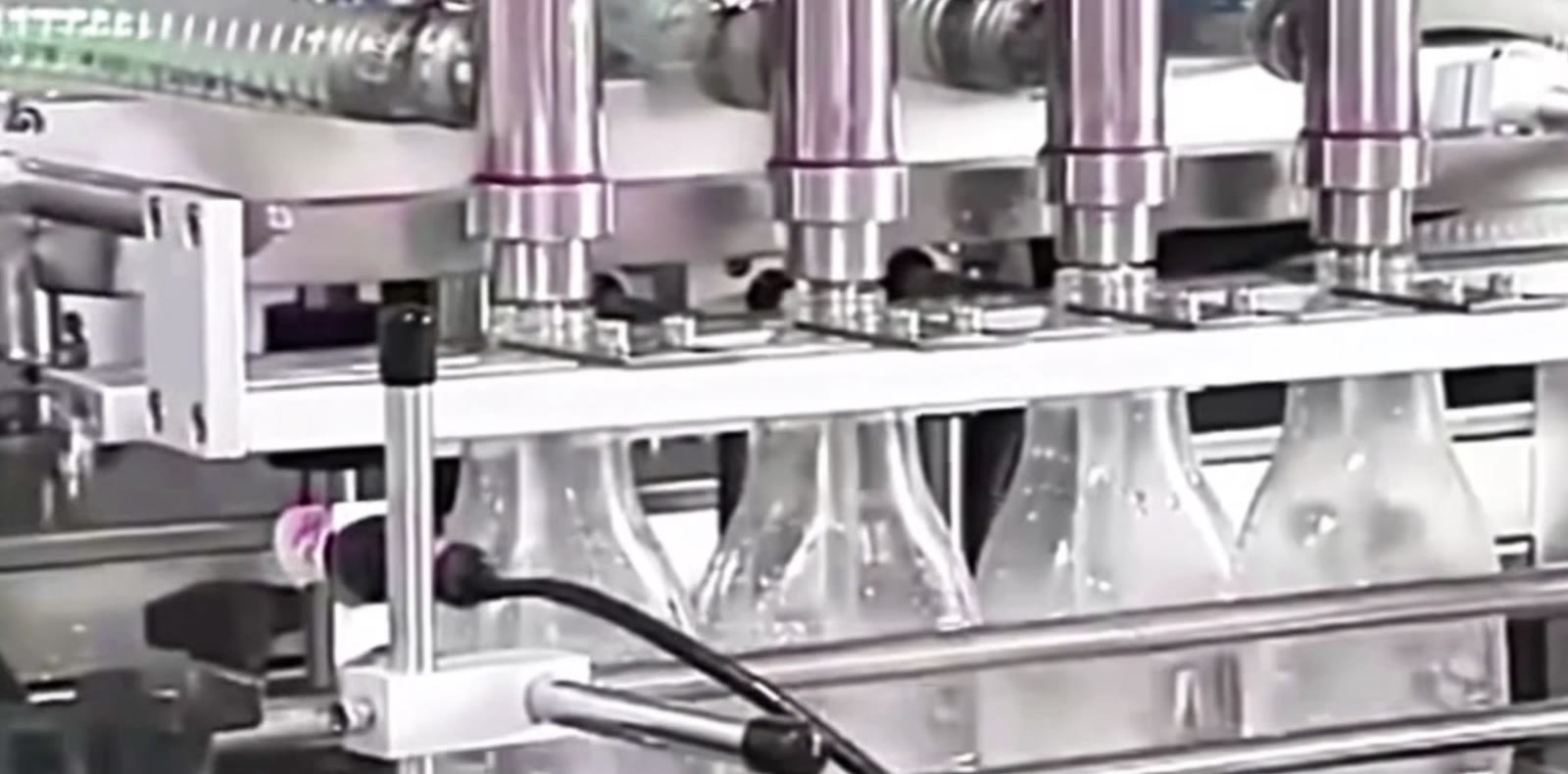
Automatic filling machine with bottles presented beneath filling nozzles
Machine selection should be verified with the real product, container and production sequence
Direct answer

Select the pump from the hardest product condition

A pump filler is appropriate only when the selected pump can draw, move, meter and stop the production product through the complete hose, manifold and nozzle path. The pump type determines more than speed: it affects shear, particle passage, suction, cleaning, residue and the usable dose range.

The selection should begin with the product at its coldest, thickest, most aerated or most particulate normal condition. A pump that performs well with an easy sample may fail during cold start, end of batch, refill or a production pause.

Pump routes

Compare pump behaviour, not just pump names

Pump routeWhere it may fitQuestions to resolve
Gear pumpFree-flowing through to selected viscous products where a compact controlled pump path is practical.Abrasiveness, particles, crystallisation, seal compatibility and clean-out.
Lobe pumpViscous or shear-sensitive products and selected products containing soft pieces.Clearances, particle damage, feed pressure, cleaning and dose repeatability.
Peristaltic pumpSuitable liquids where a replaceable tubing path and smaller controlled doses are valuable.Tube material, tube life, suction height, recovery, calibration and product viscosity.
Diaphragm or other positive displacementSelected chemical or specialist duties where materials and pumping action suit the product.Pulsation, air consumption, compatibility, valve behaviour and cleanability.
Complete product path

Control the pump inlet and outlet together

At the inlet

  • Product vessel and minimum working level
  • Suction length, hose bore and lift
  • Agitation, settling and refill method
  • Temperature and viscosity range
  • Air leaks, cavitation and product recovery

At the outlet

  • Manifold and head-to-head distribution
  • Valve and nozzle opening sequence
  • Backpressure, hose expansion and suck-back
  • Nozzle height, diving motion and cut-off
  • Drain, flush, strip-down or CIP route
Selection framework

Use product behaviour to remove unsuitable pumps

Product behaviourPotential concernEvidence to request
Very high or changing viscosityStarved inlet, long fill time or stored pressure after stop.Cold and warm samples, supply vessel arrangement and sustained-run observation.
Soft pieces or fibresDamage, uneven distribution, blockage or valve trapping.Largest normal particle and filled-container distribution check.
Abrasive or crystallising productWear, seizure, seal damage or difficult restart.Product data, clean-down method and pause/restart trial.
Foam or entrained airUnstable dose and wet container neck.Controlled fill profile, settled check and product-feed review.
Frequent allergen or colour changesHold-up, cross-contact and extended cleaning.Product-path map, recovery quantity and documented changeover.
Trial and acceptance

Test start, stop and recovery—not only continuous pumping

A production trial should show the pump priming from the agreed supply condition, sustained filling, short pauses, longer pauses, restart, end-of-batch drawdown and cleaning. Record the pump settings, product temperature, vessel level and container result so the accepted route can be reproduced.

Separate transfer pumping from dose control

The pump that transfers product to a filler does not automatically make a suitable dosing pump. Some projects use a feed pump to stabilise a piston, flowmeter or weigh filler. Define which component controls quantity and which component only supplies product.

Buyer questions

Common questions about pump filling

Which pump is best for a filling machine?

There is no single best filling pump. Gear, lobe, peristaltic, diaphragm and other positive-displacement routes behave differently with viscosity, particles, shear, suction conditions, cleaning and dose size. The correct pump is the one that can move the real product repeatably through the complete product path without unacceptable damage, aeration or residue.

When is a gear pump filler useful?

A gear pump filler can be useful for free-flowing through to selected viscous products where a smooth, controlled product path and programmable pump movement are practical. Compatibility with particles, abrasive material, crystallisation, temperature and cleaning must be confirmed because the pump clearances and seals are part of the dosing result.

When should a lobe pump filler be considered?

A lobe pump filler may be considered for viscous or shear-sensitive products and selected products containing soft pieces where the pump, clearances and valves can pass the material. Product damage, distribution of pieces, cleanability and the way the pump is fed should be demonstrated with representative samples.

How is peristaltic filling different from other pump filling?

Peristaltic filling moves liquid by compressing flexible tubing, so the product contacts the tube rather than the pump mechanism. This can simplify product-path changeover for suitable low- to medium-viscosity liquids and smaller doses, but tube life, recovery, calibration, suction height and product compatibility still need to be assessed.

What causes dripping on a pump filling machine?

Dripping can come from stored pressure, product elasticity, valve response, nozzle design, pump deceleration, hose movement or a product that strings after flow stops. The remedy may involve the pump profile, suck-back, shut-off nozzle, shorter product path, lower pressure or a different filling route rather than simply reducing speed.

What should be provided for a pump-filler quotation?

Provide product samples or reliable behaviour data, viscosity and temperature range, particles, abrasiveness, shear sensitivity, dose range, container opening, target output, upstream vessel and pump arrangement, cleaning method, utilities and downstream equipment. Include the difficult product and smallest opening, not only the easiest format.
Before quotation

Information Lancing needs to confirm the filling route

  • Production product and difficult normal condition
  • Minimum, maximum and common fill quantity
  • Container, opening, closure and format range
  • Sustained output and shift pattern
  • Product feed, cleaning and utilities
  • Upstream, downstream and acceptance requirements

Send product, pack and production evidence

Lancing can compare practical machine routes, identify what can be quoted from the available information and define where samples or a representative trial are needed.

Choose with confidence

Get a filling-machine shortlist built around your product.

Send the product, pack and output details that matter. We’ll compare the most practical dosing and line options for you.

Call an expert