Filling machine accuracy and output
Understand automatic filling machine accuracy, repeatability, throughput, head count, line efficiency and performance testing before quotation.
View optionsA structured brief helps suppliers compare the correct dosing method, automation level, line speed and product-contact design instead of guessing from a product name.
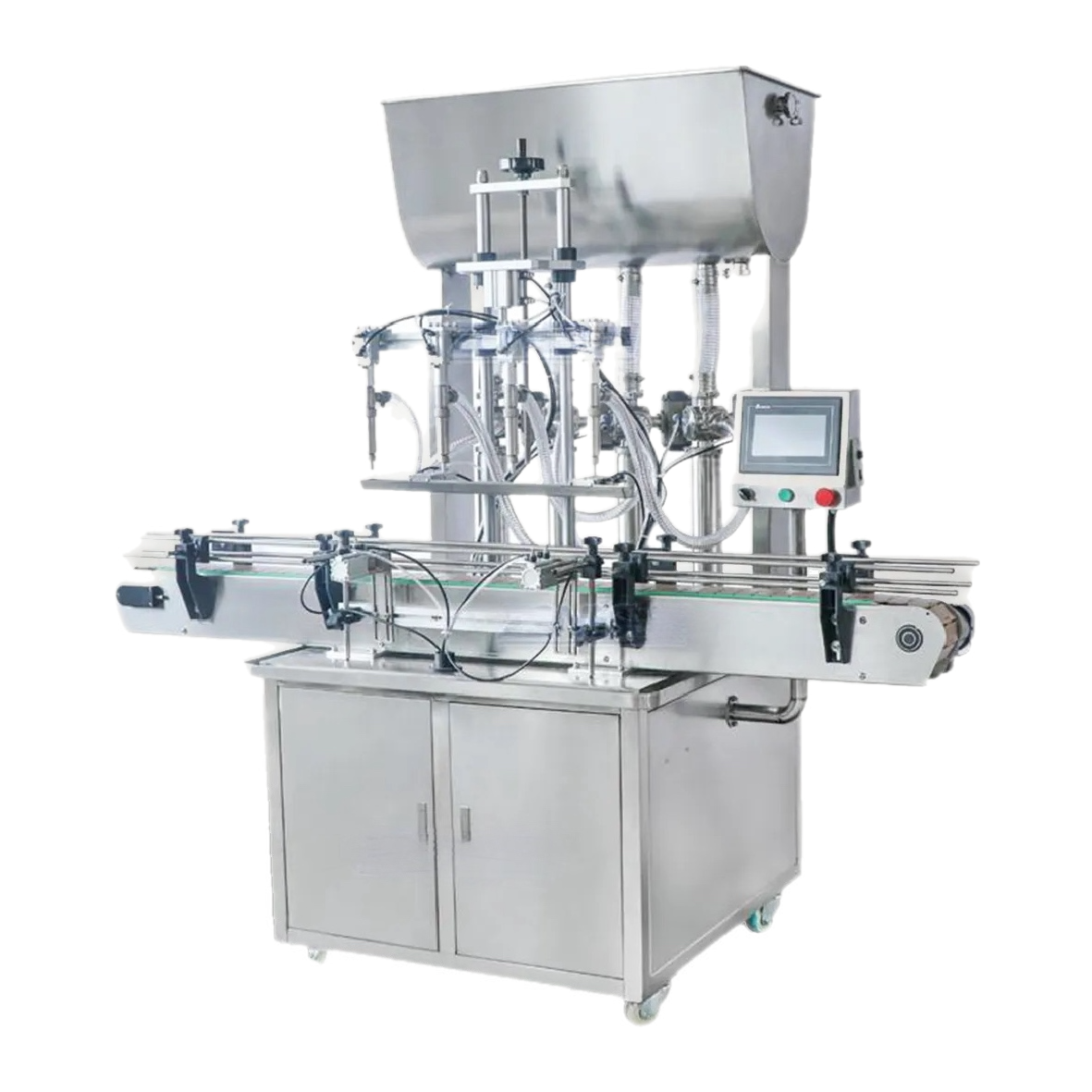
Work through each step before comparing machine models or headline speeds.
Record viscosity at the production temperature, foam, aeration, particles, stringing, abrasiveness, shear sensitivity, chemical compatibility and whether the product settles or separates.
State the minimum, maximum and common production doses. A machine that reaches the maximum may not be the best choice for repeatability at the minimum.
Container material, dimensions, opening, stability, shoulder and neck finish affect guide rails, sensors, nozzles and filling speed.
Specify containers per minute or per hour at the real dose. Include planned shifts, batch sizes and growth rather than quoting a theoretical peak.
Define whether the product path will be flushed, stripped, washed, sanitised or cleaned in place, and how quickly the next product must run.
List infeed, rinsing, filling, capping, sealing, labelling, coding, inspection, accumulation and end-of-line operations.
Decide how fill accuracy, speed, changeover, cleaning and safety will be demonstrated at factory and site acceptance.
Review product suitability, line scope, change parts, training, installation, spares and support—not only machine price.
A complete first message can remove several rounds of clarification.
Product name and description:
Safety data sheet attached: Yes / No / Not applicable
Viscosity and product temperature:
Particles, foam, stringing or settling:
Minimum / maximum fill volume:
Container material and dimensions:
Opening or neck diameter:
Closure type:
Required output:
Accuracy or giveaway target:
Cleaning and changeover method:
Upstream and downstream equipment:
Available floor space and utilities:
Required delivery timing:
Use the same data and acceptance conditions for every supplier.
| Topic | What to ask | Why it matters |
|---|---|---|
| Product route | Which dosing principle and why? | Confirms the proposal is product-led rather than catalogue-led. |
| Output | At which product, volume and container? | Prevents comparison of unrelated maximum-speed figures. |
| Accuracy | How is it measured and under what conditions? | Distinguishes repeatability, average fill and legal net-content control. |
| Changeover | Which parts, tools and time are required? | Shows the real production loss between batches. |
| Line scope | What equipment and interfaces are included? | Exposes gaps in conveyors, cap feed, controls and guarding. |
| Acceptance | What will be demonstrated at FAT and SAT? | Creates an objective completion test before delivery. |
Testing helps identify foam, drip, stringing, product starvation, particle damage, container instability and realistic fill speed before the final machine is committed.
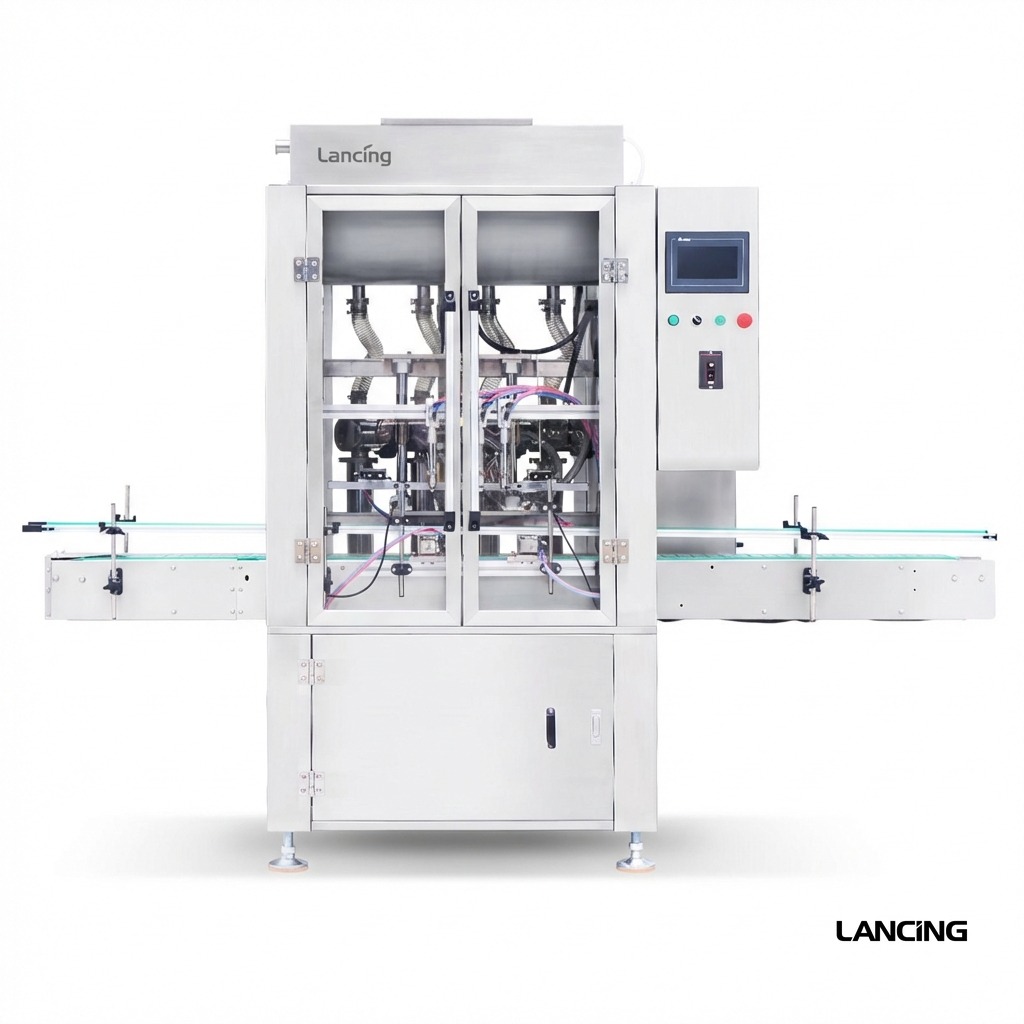
Answers are general guidance. Final suitability depends on product trials, containers and the confirmed machine specification.
Send product details, safety data where relevant, viscosity and temperature, minimum and maximum dose, container drawings or samples, closure, target output, accuracy, cleaning method, utilities and required line operations.
No. Compare sustained output using your real product, fill volume and container, including indexing, foaming, capping capacity, changeovers and normal line stops.
Not always, but it is valuable for viscous, foaming, sticky, particulate, abrasive, temperature-sensitive or chemically unusual products.
Compare enough credible routes to understand the technical differences. A detailed specification and test criteria are more useful than a long list of prices for non-equivalent machines.
Compare the next most relevant machine routes before you choose a final specification.
Understand automatic filling machine accuracy, repeatability, throughput, head count, line efficiency and performance testing before quotation.
View optionsPlan automatic filling machine cleaning, product recovery, allergen control, strip-down, flush routines, recipes and container changeover.
View optionsPlan automatic filling line integration across conveyors, container handling, capping, labelling, coding, inspection, accumulation and controls.
View optionsA structured worksheet exposes differences in product assumptions, line scope, acceptance testing and lifecycle support before price drives the decision.
A comparison is only meaningful when each proposal answers the same production brief. Record whether an item is included, optional, excluded or dependent on a trial. Where a supplier states a capacity, accuracy or changeover figure, retain the product, dose, pack, test duration and operating assumptions that support it. Unqualified headline figures should not be compared as though they were equivalent.
| Review area | Evidence to request | What a comparable answer should state | Common ambiguity to remove |
|---|---|---|---|
| Product suitability | Trial report, product-path description and material compatibility review | Representative product condition, restrictions, feed method and proposed dosing principle | Suitability based only on product name or a water demonstration |
| Dose and accuracy | Module or range selection, calibration method and test results | Minimum, maximum and common fills; reference method; sample plan; acceptance tolerance | A percentage or accuracy claim without dose and test conditions |
| Output | Cycle breakdown or timed sustained run | Product, fill quantity, containers, head count, accepted packs, rejects, stops and run duration | Nozzle count multiplied by an ideal single cycle |
| Containers and closures | Approved samples, change-parts list and handling concept | Dimensions, variation, guides, sensors, closure placement/capping method and rejected-pack route | Quote based on a photograph without production samples |
| Cleaning and recovery | Product-contact diagram, cleaning method and observed demonstration | Strip-down, flush or CIP boundary; cleaning agents; recovery; verification and parts handling | “Easy clean” without a task, access route or acceptance check |
| Line integration | Layout, interface schedule and control narrative | Infeed, filler, capping, labelling, coding, inspection, accumulation, utilities and line states | Filler-only speed quoted for a complete line |
| FAT/SAT and documents | Test protocol, supplied document index and open-item process | Product/pack matrix, acceptance criteria, site-dependent tests, manuals, drawings and handover records | A generic FAT that does not test the quoted performance |
| Lifecycle support | Spares list, training scope, warranty boundary and service route | Included parts, consumables, operator/maintenance training, response route and exclusions | Machine price compared without change parts, installation or support scope |
The sample plan should include the conditions most likely to expose a poor match: the smallest and largest dose, least stable container, narrowest opening, product at the edge of its normal temperature range and any particles, foam, dust or stringing that affect the fill. Trials should also check start-up, a planned pause, product refill and the end of a batch where those states change feed stability.
Record more than the final quantity. Inspect container presentation, nozzle clearance, splash, foam, drips, rim cleanliness, product damage, dust, reject handling and the effort needed to recover and clean the product path. An agreed photo, video or signed data record makes later quotation comparisons more reliable.
Criteria should identify the product and pack, reference instrument, sample frequency, sustained run, accepted and rejected pack rules, changeover task, cleaning demonstration and allowable open items. FAT should prove what can be represented before delivery; SAT should close site-dependent utilities, retained-equipment interfaces and production conditions.
Use the completed brief and evidence schedule when requesting an automatic filling machine quotation.
Use the same assumptions and evidence schedule when comparing suppliers.
Anything not supported by representative samples, drawings, agreed product data or a defined test should remain an assumption. Mark it clearly, assign who must verify it and avoid treating it as accepted performance.
Use the same product, dose, container, reference instrument, sampling method, operating temperature, run condition and acceptance rule. A percentage without those conditions is not a comparable result.
A technically detailed filling brief still needs a clear project boundary. Record what the supplier is expected to provide, what the site provides and which facts remain conditional on trial or design review.
| Evidence pack section | Include | Use it to control |
|---|---|---|
| Automation business case | Current method, staffing, batch pattern, available production time and reason for change. | Whether semi-automatic, compact automatic or integrated operation is justified. |
| Commercial comparison | Base duty, options, exclusions, assumptions, trials, documentation, installation and acceptance. | Like-for-like quotation review and controlled value engineering. |
| Application evidence | Product data, samples, packs, closures, dose method, difficult conditions and trial record. | Technology, nozzle, product path and format selection. |
| Layout and site | Dimensioned area, delivery route, utilities, product feed, drainage, extraction and connected equipment. | Installability and responsibility at physical boundaries. |
| Acceptance and handover | FAT/SAT methods, samples, reference instruments, training, documents, backups and open-action control. | Objective release rather than subjective demonstration. |
| Lifecycle support | Cleaning, maintenance, critical spares, part identification and escalation route. | Reliable operation after commissioning. |
Use labour, run length, pack handling and changeover to choose the operating model.
Identify the product, pack, control, integration and evidence factors that change project cost.
Check access, operating envelope, utilities, product supply and SAT readiness before delivery.
Use the same product, pack, output, cleaning, interface and acceptance assumptions so quotations can be compared technically rather than by headline description.
Send the product, pack and output details that matter. We’ll compare the most practical dosing and line options for you.