Delivery and handling
Confirm unloading, lifting points, route dimensions, floor capacity, turning space and who provides handling equipment.
Confirm the physical route, operating space, utilities, product supply, line interfaces and responsibilities before delivery so commissioning can focus on the machine rather than missing infrastructure.
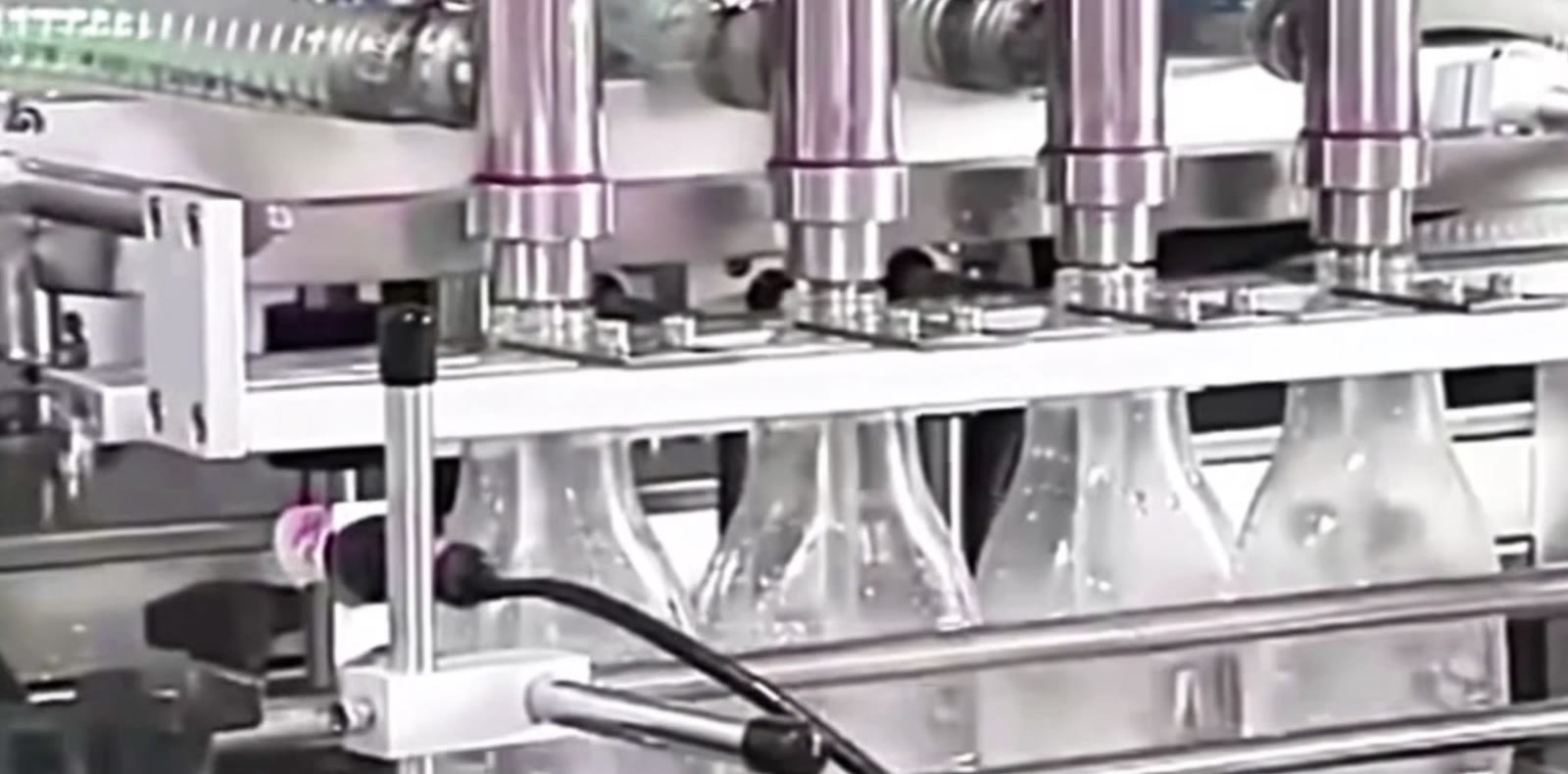
The final layout must allow safe operation, cleaning, change parts, maintenance, product replenishment, material movement and access to isolation points, not only the steel frame dimensions.
Confirm unloading, lifting points, route dimensions, floor capacity, turning space and who provides handling equipment.
Allow operator stations, guard doors, control panels, product connections, removed parts, cleaning activity and future service access.
Define the boundary from storage or process vessel to the filler, including pressure, level, temperature, recirculation, refill and isolation.
Verify electrical, compressed-air and any other required service at the connection point, including capacity, quality, protection and isolation.
Assess temperature, washdown, dust, vapour, ventilation, lighting, drainage, floor condition and any hazardous-substance implications.
Confirm conveyor heights, control permissions, physical handovers, coding/inspection, network requirements and responsibility at each boundary.
General UK guidance is available from the Health and Safety Executive on machinery design and supply law and using work equipment safely. Project-specific duties require competent assessment.
The supplier should state the final requirements for the selected machine. The site team should confirm that the service reaches the agreed connection point with adequate capacity and suitable isolation.
| Service/infrastructure | Confirm before delivery | Commissioning risk if unresolved |
|---|---|---|
| Electrical supply | Voltage, phases, frequency, protective device, earthing, isolator position and spare capacity. | Wrong supply, nuisance trips, unsafe temporary connection or delayed testing. |
| Compressed air | Pressure range, flow capacity, quality, connection and isolation. | Slow actuators, unstable valves, contamination or inability to run simultaneous functions. |
| Product feed | Connection, pressure/head, temperature, pump/tank ownership, recirculation, refill and cleaning boundary. | Dose variation, starvation, aeration, uncontrolled pressure or unclear cleaning responsibility. |
| Drainage/waste | Where product recovery, flush liquid, wash water or rejected material goes. | Unsafe spills, uncontrolled waste, delayed cleaning or environmental non-conformance. |
| Extraction/ventilation | Product dust, vapour, heat and connection responsibility where required. | Poor working environment, contamination or inability to operate the intended process safely. |
| Network/data | Permitted interfaces, addresses, cybersecurity/IT approval and data ownership. | Delayed integration or uncontrolled connection to site systems. |
| Floor/space | Levelness, load capacity, anchors if required, clearances and route. | Poor alignment, vibration, inaccessible guards or inability to position the machine. |
Assign a named owner and status to each item. “By others” is not an owner unless the responsible party has accepted the task.
Share the proposed line position, delivery route, utilities, product-feed scheme and connected equipment. Lancing can identify interface information needed before installation and SAT.
Begin while the layout and scope are still being developed. Access, utilities, drainage, product supply and connected equipment can change the machine position and interface design if identified early.
The machinery supplier has duties for the supplied equipment, while the user must assess and control risks arising from installation, use, substances, workplace conditions and integration. Responsibilities should be defined for the actual project.
Check the complete route from unloading to final position: doors, corridors, lifts, floor loading, turning space, overhead obstructions, removable guards and the lifting/handling method.
They can, but late utility work often delays commissioning and can introduce untested pressure, quality, capacity or isolation issues. Connection points and available services should be verified before delivery.
The production area, utilities, product feed, representative materials, operators, connected equipment, measuring devices, agreed protocol and authority to resolve deviations should all be available.
Send the product, pack and output details that matter. We’ll compare the most practical dosing and line options for you.