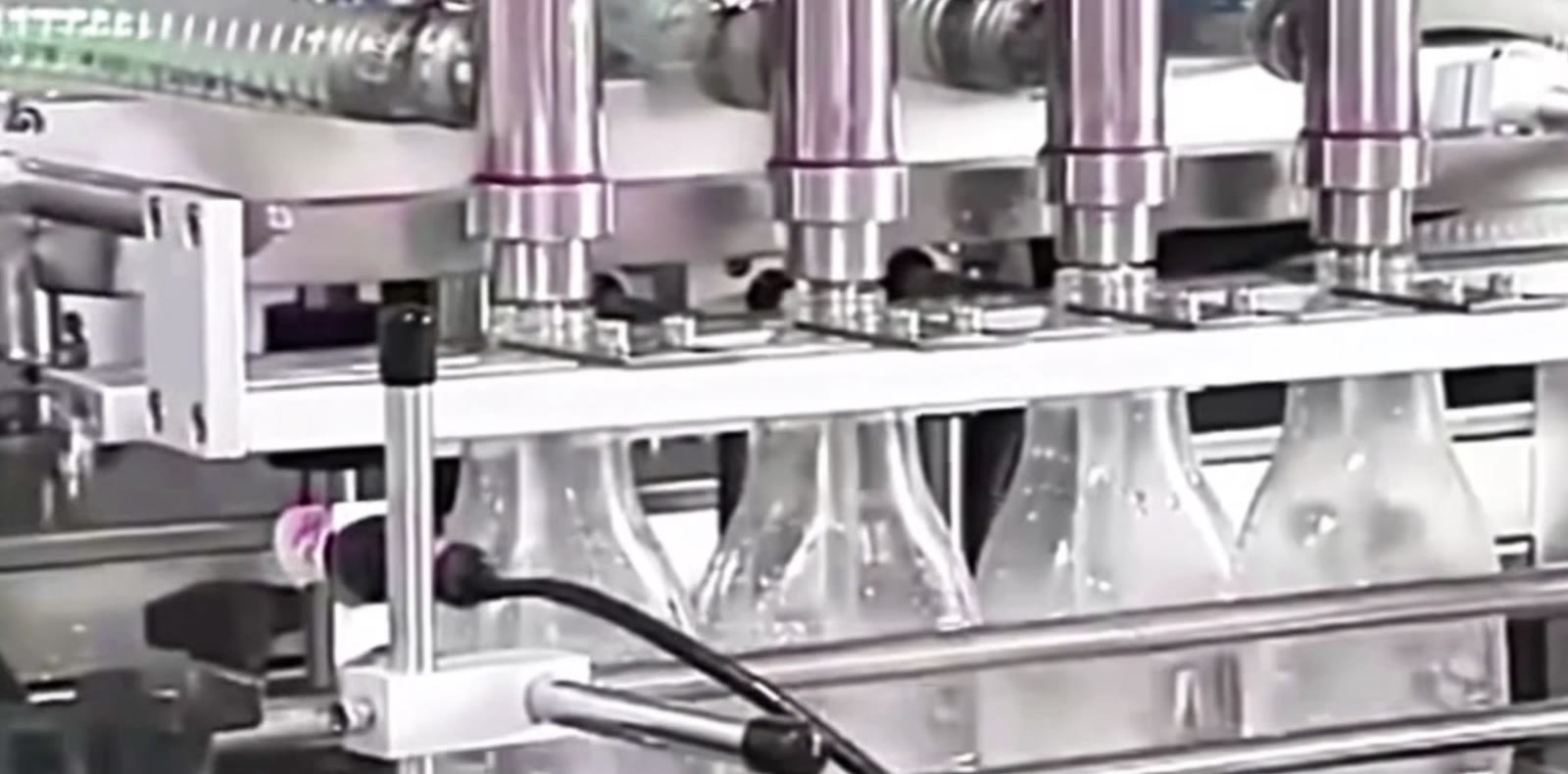
When is gravity feed suitable and when is a pump needed?
Gravity feed can be suitable when the product flows reliably, the available head remains within a useful range and the filler tolerates the pressure change as the vessel empties. A pump may be needed for distance, elevation, viscosity, controlled pressure or rapid replenishment. The pump must not introduce unacceptable pulsation, shear, heat or aeration.
Define the required inlet condition at the filler rather than selecting the pump from a nominal flow rate alone.
Why can fill results change as the supply tank empties?
In a gravity-fed system, liquid head and inlet pressure reduce as the level falls. Product temperature or concentration can also vary within a vessel, and air may enter when the level becomes too low. Metering systems respond differently to these changes. A stable dose at a full tank does not prove low-level performance.
Include normal low-level and refill conditions in trials or FAT. Define the alarm, stop point and permitted recovery sequence.
How do air and cavitation reach the filling nozzles?
Air can enter through vortexing, low tank level, leaking joints, poor return design, aggressive agitation or a pump operating outside its suitable condition. Cavitation or aeration can create noise, foam, interrupted flow and dose variation. The symptom may appear at one nozzle or across all heads depending on the manifold.
Inspect the product supply before recalibrating the filler. Record tank level, pump state, pressure, temperature and visible bubbles when the fault occurs.
When should a feed hopper be agitated or heated?
Agitation may be required to prevent settling, separation, bridging or temperature gradients, while heating may keep a product within its verified flow condition. Both can also introduce air, shear, local heating or cleaning complexity. The required speed, temperature and operating limits depend on the formulation and process owner.
Trial the product under the proposed holding time and production cycle. Confirm what happens during pauses, refills and end-of-batch conditions.
How should automatic product refill be controlled?
Refill should maintain the agreed feed condition without flooding, starving, aerating or changing the product composition. Define level signals, demand logic, valve or pump response, high and low alarms, fail states and what the filler does if replenishment is unavailable. Sudden refill can alter pressure or disturb settled product.
Test the refill event while all filling heads operate, then confirm dose, foam and recovery before and after the transition.
What product-feed information should be exchanged between customer and supplier?
Exchange product condition, vessel and outlet details, elevation, pipework route, available pressure or pump data, temperature, agitation, level control, cleaning method, connection standards and the signals available to the filler. State who supplies each valve, instrument, pump, hose, support and control interface.
Record the required condition at the machine boundary and the consequence if it is not met. This prevents an upstream process problem from being treated as an unexplained filler fault.