Chemical compatibility
Every wetted part and exposed machine surface must be assessed against product concentration, temperature and cleaning agents.
Specify product-contact materials, foam control, vapour management and closure handling around the actual chemical and its safety data.
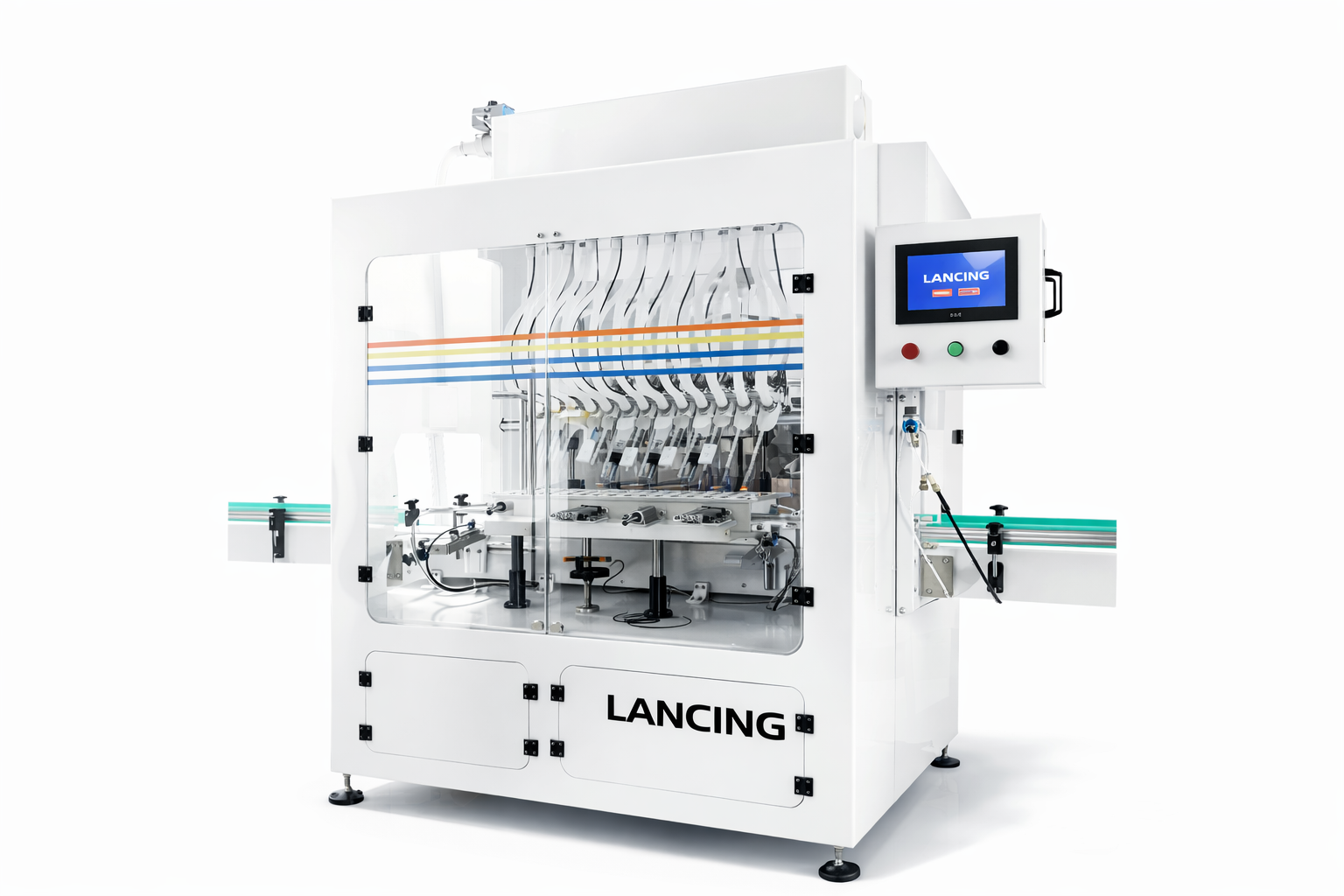
A product name is only the start. Production temperature, texture, chemistry and cleaning requirements decide the machine route.
These factors commonly change the dosing method, nozzle, product feed or line layout.
Every wetted part and exposed machine surface must be assessed against product concentration, temperature and cleaning agents.
Detergents and surfactants can need diving nozzles, staged flow and controlled product feed.
Solvent and flammable projects may require hazardous-area classification, extraction and static control.
Torque, induction seals, leak testing and trigger orientation can be critical to transport and retail safety.
The best shortlist normally contains two or three practical routes tested against the real product and pack.
For free-flowing chemicals where the selected pump, meter and product path match the chemical.
For oils, viscous cleaners and products suited to positive-displacement dosing.
For acids, alkalis and aggressive products requiring PP or other compatible construction.
For products and sites with a documented explosive-atmosphere classification.
Send enough detail to assess dosing, product-contact design, container handling and downstream operations.
Compare alternative filling methods and the equipment that may be needed before or after the filler.
Answers are general guidance. Final suitability depends on product trials, containers and the confirmed machine specification.
Send the safety data sheet, concentration, viscosity, foam behaviour, fill range, container, closure, output, site classification, utilities and cleaning method.
Only after compatibility and cleaning are reviewed. Switching between reactive products can introduce serious contamination and neutralisation risks.
Diving nozzles, bottom-up filling, staged speed, suitable nozzle bore and stable upstream product feed can all help.
Yes. The line can fill bottles and orient, place and tighten triggers, but the closure dimensions, dip tube and target speed need testing.
Compare the next most relevant machine routes before you choose a final specification.
Automatic corrosive liquid filling machines for acids, alkalis, oxidisers and aggressive chemicals, with compatible product paths, guarding and line integration.
View optionsAutomatic ATEX filling machine project guidance for flammable liquids, solvents and explosive-atmosphere risks, including zoning, materials and line interfaces.
View optionsSpecify automatic liquid filling machines for free-flowing, foaming, oily and medium-viscosity products, with UK advice on dosing, nozzles and line integration.
View optionsFoam, viscosity, corrosivity, volatility and pack scale change the filling method. Separately, the dutyholder must assess health, fire, explosion and material-compatibility risks for the actual product and workplace. A generic industry label cannot establish that a machine is suitable or compliant.
Two industrial liquids can need the same nominal dose but very different transfer, ventilation, cleaning and closure arrangements. Record product concentration, temperature, container material and any change in formulation before reusing a proven setting. Incompatible seals, residue from a previous product and uncontrolled air in the supply can affect both safety and fill consistency.
Pigmented coatings introduce colour carryover and wear questions; flexible detergent pouches introduce opening and seal-zone questions. Compare paint and coatings filling and automatic pouch filling as distinct application routes rather than assuming a bottle system covers them.
Supply the safety data sheet and site assessment through the established project discussion. The ATEX filling guide explains why a product label alone cannot define hazardous-area equipment. Discuss the chemical, pack and site conditions before a configuration is fixed.
Send the product, pack and output details that matter. We’ll compare the most practical dosing and line options for you.