Unit 5A Jefferson Way, Thame, Oxfordshire, OX9 3SZ

Search machine types, applications, buyer guidance and filling-line topics.

Flexible-pack filling

Which automatic pouch filling machine suits your product and pouch?

An automatic pouch filling system must control the flexible pack as well as the dose. Premade open-top pouches, spouted pouches and roll-film bags need different feeding, opening and closing equipment. Choose the packaging route first, then match liquid, paste, powder or granule dosing to that route and test the finished seal or cap.

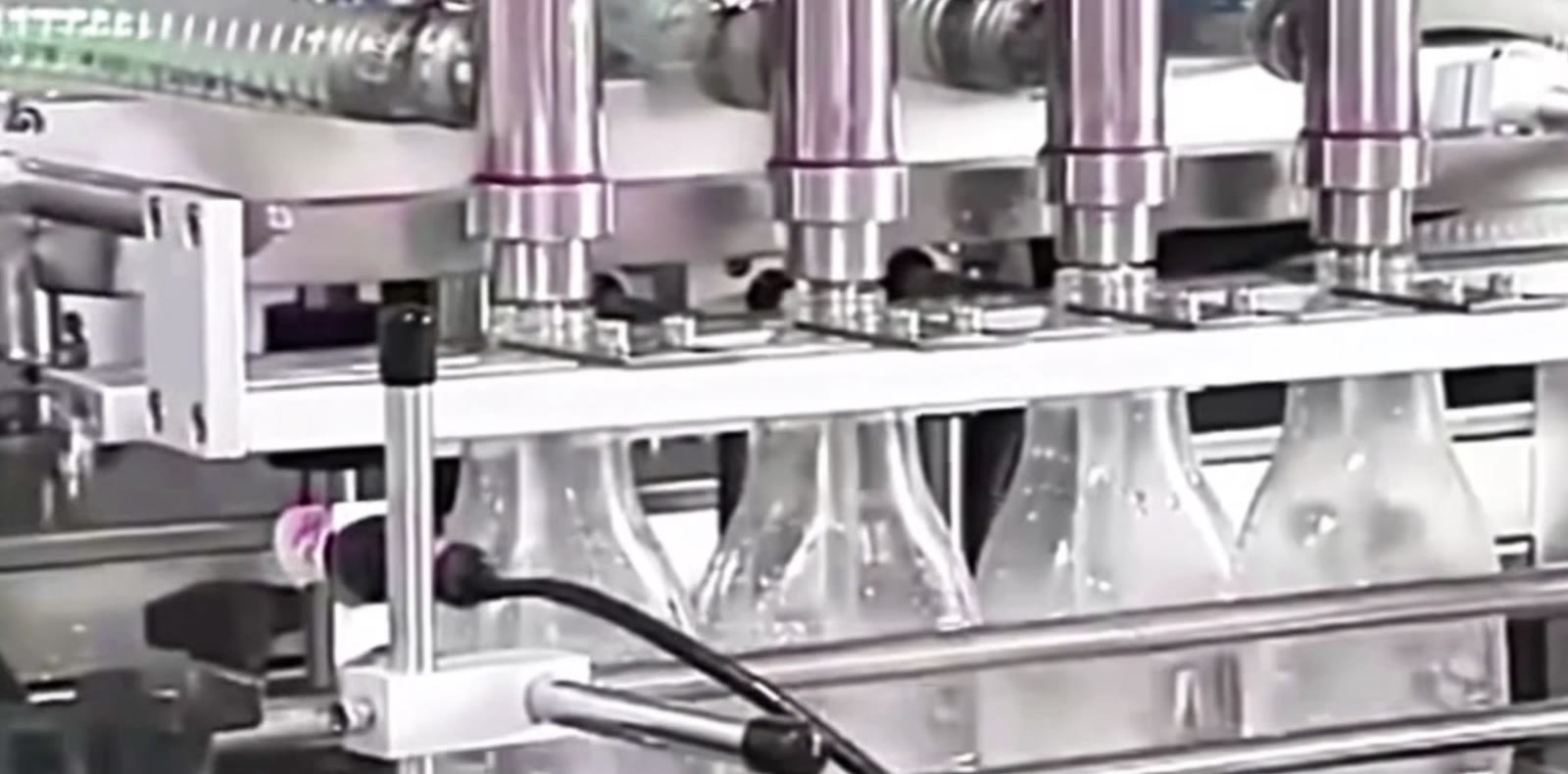
Automatic filling-line layout illustration; configuration depends on the product and pack
Filling-line illustration. The application and acceptance criteria determine the final machinery specification.

Premade, spouted or formed from film: choose the pack route first

Pouch format determines the handling and closure system
Pack routeHow the pack is presentedDecisive selection question
Premade open-top pouchIndividual pouches are picked, gripped and opened before dosing and heat sealingCan the machine reliably open the actual pouch and keep product out of the seal area?
Premade spouted pouchThe fitment or spout is located and supported during filling and cap applicationDo the spout, cap, neck support and filling connection form a proven format set?
Roll-film form-fill-sealA machine forms the bag from film, fills it and creates the specified sealsAre film structure, formed dimensions, dosing timing and seal process compatible?

Do not assume one machine handles all three routes because each produces a flexible pack. A spouted pouch may be filled through the spout or through an unsealed edge before final closing; the chosen pack construction determines the sequence. A zipper, tear notch, gusset or offset spout also changes presentation and format parts.

Lancing publishes a premade pouch filling and sealing configuration and a roll-film forming, filling and sealing configuration. These illustrate different machine routes, not interchangeable formats. Availability of a particular spouted-pouch configuration should be confirmed from the pouch drawing and product brief.

Match the dosing method to the product and the open pouch

For liquids and pastes, compare the product path, nozzle entry and shut-off behaviour before choosing head count. A pouch wall can obstruct an opening that appears generous on a flat drawing. Product landing high on the wall, splashing or stringing after shut-off can contaminate the closure area even when the delivered quantity is correct.

For powders, the discharge funnel, dust behaviour and settling time must match the opened pouch. For granules, consider bridging at the opening, product impact and piece damage. A larger nominal pouch does not ensure a wider usable filling opening when the gusset and grippers are engaged.

The powder and granule guide explains dosing-route differences. Use paste filling for valve and product-path selection, and nozzle selection for clean entry and cut-off. A flexible pack does not remove the need to control product temperature, viscosity, particles or air.

Define successful pouch opening and final closure separately

Specify the evidence required before the machine permits a dose: pouch present, correctly gripped and sufficiently opened for the filling tool. Define what happens after a failed opening attempt. An empty, unopened or misaligned pouch should not be treated as a normal production cycle merely because the carrier reached the filling station.

For heat sealing, agree the packaging supplier’s seal process and the acceptance method for the final filled pack. Seal appearance alone does not prove leak resistance. Product residues, folds, zipper alignment and handling after sealing should be represented in trials. For spouted packs, specify cap presentation, thread engagement and the agreed torque or closure-verification method.

The Ishida seal-integrity testing overview illustrates that leak testing measures a different condition from fill quantity. The correct inspection method depends on pack construction and defect size; no inspection technique detects every possible closure defect.

Trial the difficult pouch, not only the easiest sample

Representative pouch-trial conditions
Condition to challengeObservationDecision supported
Actual pouch material and format tolerancesPick-up, separation, opening and grip stabilityFeeder, gripper and opening tooling
Minimum and maximum intended dosePouch shape, product landing and free space at the closureDose profile and usable format range
Normal product temperature and difficult textureFlow, foam, tailing, particles or airborne dustDosing method and nozzle or funnel
Magazine refill and controlled stop/restartPouch state, residual product and first accepted packsOperator task and restart sequence
Filled-pouch transfer and packingStanding stability, distortion, leaks and contact with wet productOutfeed, inspection and secondary packing

Count accepted, correctly closed pouches over the agreed run, including replenishment and normal interruptions. Mechanical cycles, filled pouches and saleable packs are not the same output measure. Record the limiting operation rather than assuming more filling heads will improve the complete system.

Review hot-fill machinery selection when elevated temperature is involved. Product shelf life, thermal processing and packaging suitability require their own validation; an ordinary hot-fill machine should not be described as an aseptic line.

Buyer questions about automatic pouch filling

Can an automatic bottle filler fill flexible pouches?

Not without suitable pouch presentation and handling. Bottles normally support themselves on a conveyor; flexible pouches may need grippers, fitment rails, carriers or another validated support. A shared dosing principle does not mean that feeding, opening, closing and outfeed equipment can be shared.

Are all spouted pouches filled through the spout?

No. The packaging design and manufacturing sequence decide the route. Some systems fill through the fitment and then apply a cap; another design may be filled through an open edge before sealing. Confirm the intended route with the pouch supplier before selecting machinery.

When is semi-automatic pouch filling worth comparing?

Compare it when batches are short, formats change frequently or automatic pouch feeding is not yet justified by demand. Include operator presentation, closing and inspection in the output assessment. Automating the dose alone does not automate the whole pouch-packing operation.

Can one pouch line fill both liquid and powder products?

Only with an explicitly engineered configuration and an acceptable changeover and cleaning method. Powders and liquids impose different feed, dosing, contamination and sealing requirements. Do not assume a liquid pump can be exchanged for an auger without changes to support, controls and product containment.

Which pouch details should accompany an enquiry?

Send actual empty pouches, the material specification, overall and opened dimensions, gusset and zipper details, seal area and any spout and cap drawings. Add the product, dose range, temperature and output target. Samples from production packaging are more useful than a photograph of a similar pouch.

Information for a useful machinery discussion

  • Premade, spouted or roll-film route, including who supplies the packaging
  • Production pouch samples, drawings, seal areas and fitment details
  • Product behaviour, temperature, particles or dust and intended fill quantity
  • Accepted-pack output, batch sizes, refill tasks and changeover pattern
  • Seal or cap acceptance method and any downstream leak or weight check
  • Space, cleaning requirements, utilities and outfeed to packing

This is general machinery-selection guidance, not a confirmed specification or completed test result for a particular machine. Product and packaging trials, site conditions and the agreed supply scope determine suitability.

Choose with confidence

Get a filling-machine shortlist built around your product.

Send the product, pack and output details that matter. We’ll compare the most practical dosing and line options for you.

Call an expert