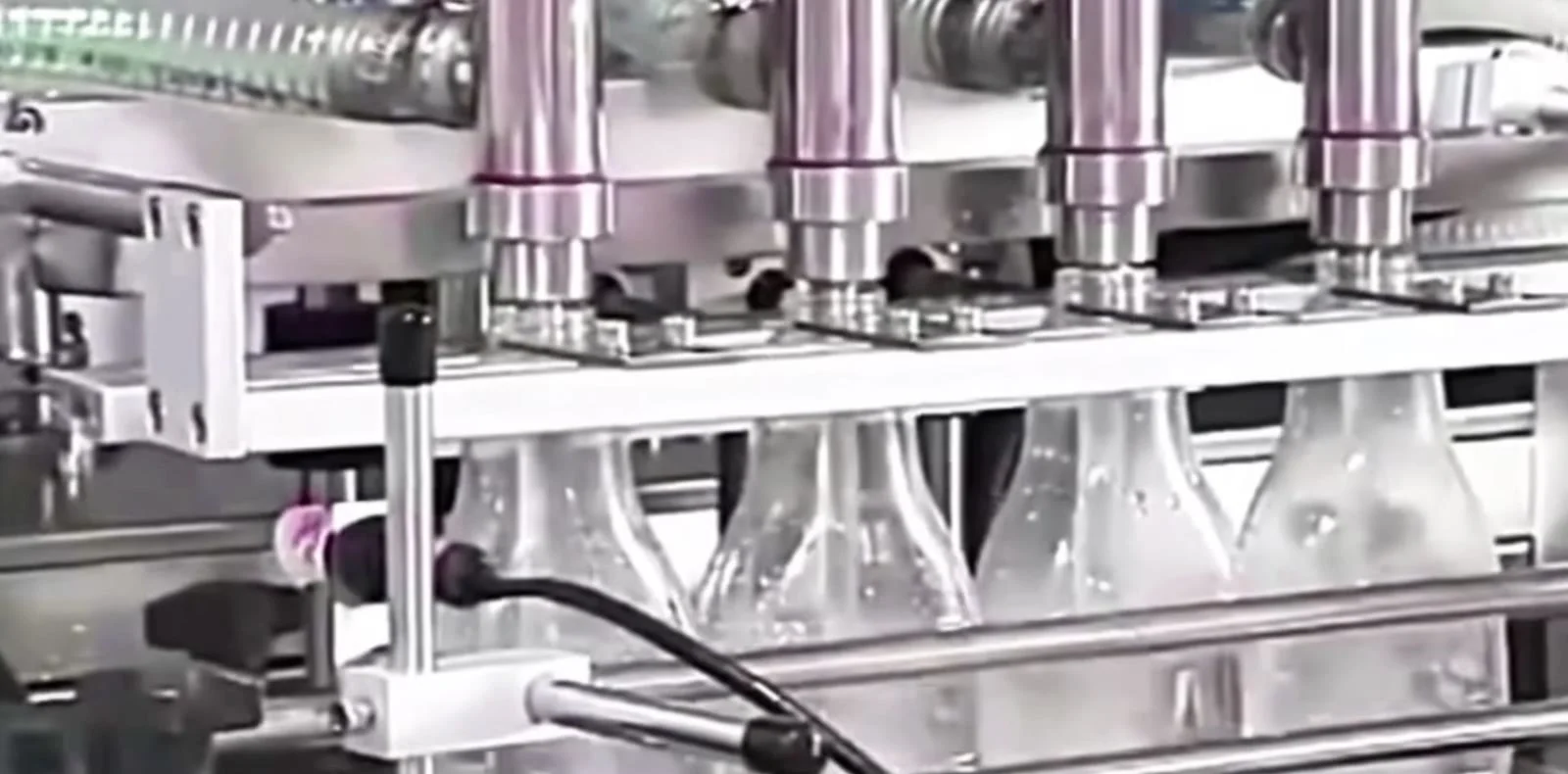
What does hot filling mean in a machinery specification?
Hot filling means the product reaches the filler at an elevated, controlled temperature that materially affects dosing, container handling or the wider process. The machinery specification must state the required product temperature range at the filler inlet and nozzle, not only a temperature measured in the upstream vessel.
A validated food process may also define holding time, container treatment and closure conditions. Those process requirements must come from the product owner or a competent process authority; the filler alone does not establish shelf life or microbiological safety.
Does every hot-fill product need a heated hopper?
No. A heated hopper is useful only when it is needed to maintain the agreed product condition between the supply vessel and the dosing system. Some projects are better served by a short insulated transfer route, controlled recirculation, a jacketed manifold or direct feed from the process vessel.
The design should avoid unnecessary residence time and should show how the product is recovered, drained and cleaned after production.
Can plastic bottles be used for hot filling?
Plastic bottles can be considered only when the selected bottle, neck, closure and label system are approved for the actual product temperature and process. Heat can alter bottle rigidity, panel shape, neck position and conveyor stability, so production containers must be tested while hot and during cooling.
Do not infer suitability from the polymer name alone. Obtain the pack supplier’s application limits and use representative samples in the line trial.
How do particles change a hot-fill application?
Particles change the minimum clearances through pumps, valves, manifolds and nozzles, while temperature can change the carrier viscosity and the way pieces remain suspended. The complete product path should be sized around the largest normal particle and trialled for damage, blockage and even distribution.
Record the product temperature and agitation state because a sample taken from the top of a vessel may not represent the production feed.
What determines output on a hot-fill line?
Useful output is determined by the slowest repeatable stage across product supply, temperature control, filling, container release, closure application and downstream cooling or handling. A fast dosing cycle is not useful if the product cools outside its agreed range or hot containers become unstable before capping.
Acceptance should therefore use sustained good containers and record temperature at the defined process points.
What should FAT and SAT cover for hot filling?
FAT and SAT should cover the agreed product-temperature range, cold start, steady operation, replenishment, pause and restart, end-of-batch behaviour, nozzle cut-off, container stability, closure-zone cleanliness, alarms and safe access. The evidence and measuring points should be agreed before the machine is built.
Where a safe substitute is used at FAT, the remaining product-specific checks should be listed explicitly for SAT or a separate production trial.