Unit 5A Jefferson Way, Thame, Oxfordshire, OX9 3SZ

Search machine types, applications, buyer guidance and filling-line topics.

Control the accepted pack

How should checkweigher feedback and reject control work on a filling line?

A checkweigher measures packs after filling; a compatible feedback interface can adjust future doses when a reliable weight trend drifts. Neither weighing nor a correction command proves that a faulty pack was removed. Specify measurement, feedback authority, pack tracking and confirmed rejection as separate functions, then test them together on the actual line.

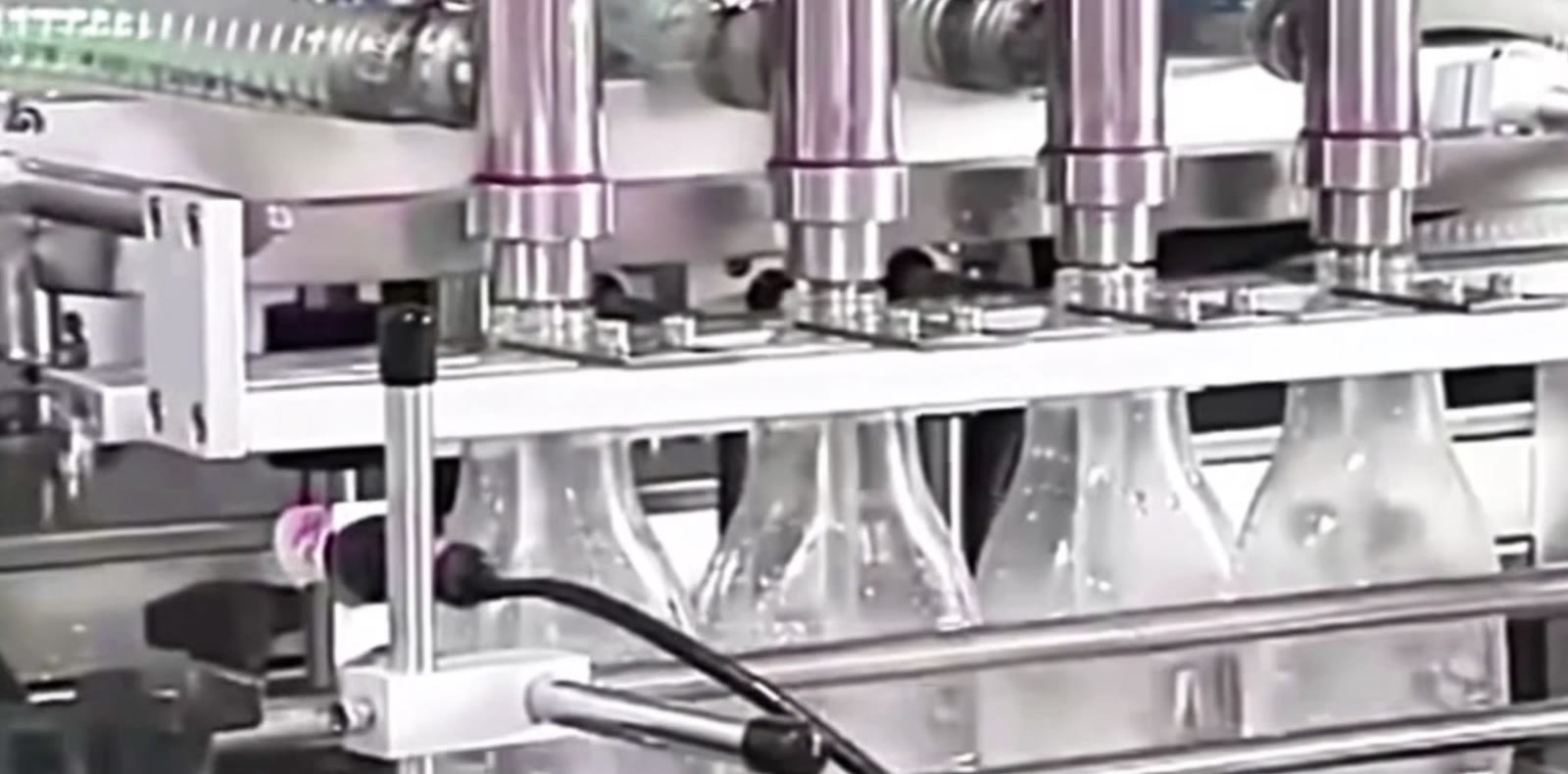
Automatic filling-line layout illustration; configuration depends on the product and pack
Filling-line illustration. The application and acceptance criteria determine the final machinery specification.

Separate dosing, checking and product release

A net-weight filler uses a weighing result to stop the dose while the container is being filled. A downstream checkweigher makes a separate measurement after transfer. A reject device diverts a selected pack, and a confirmation system verifies that the intended pack left the accepted-product route. One function does not automatically provide the others.

Start with the decision the measurement must support. A gross pack weight includes the container, closure and any other packaging already fitted. The checking location therefore changes the measured value. A correct total weight cannot by itself prove the correct liquid quantity when container tare, closure presence or product density varies.

Three functions to specify independently
FunctionRequired inputEvidence to request
Quantity checkDefined product target, packaging tare strategy and validated weighing conditionsStable reference checks and repeat passes of representative accepted and rejected packs
Filler feedbackA valid trend, compatible dose adjustment and known transport delayBounded changes with a record of the command, recipe and affected filling head
Reject confirmationTracked pack identity, reject command and downstream confirmationThe selected pack is segregated, including after a stop, a close pair or a full reject bin

Use net-weight filling guidance for dose control at the filling station and accuracy and repeatability guidance when setting the measurement requirement.

How to prevent a correction loop from chasing its own error

Feedback should respond to a validated process trend, not blindly to every individual reading. Define which readings are eligible, how many contribute to the trend, the permitted correction step, the total adjustment limit and the delay before another correction. Startup packs, double packs, missing closures and unreliable measurements need an explicit treatment.

Transport delay matters because packs already between the filler and checkweigher were filled using the previous setting. Correcting again before newly adjusted packs arrive can amplify an error. The controls design should associate results with the appropriate production period and, when supported, the filling-head identity.

A shared adjustment is not a substitute for head-level diagnosis. When one channel leaks or loses prime, reducing or increasing all heads may make otherwise good channels worse. Require an alarm or investigation boundary for isolated faults, persistent corrections and loss of valid data.

METTLER TOLEDO describes mean-weight feedback with a pause between corrections, and distinguishes compensation for process drift from an improvement in the filler’s inherent performance. See its feedback-control explanation and checkweighing principles. The interface available on a particular Lancing project must be confirmed rather than assumed.
Challenge the reject system, not only the weighing display

Suggested acceptance challenges — criteria to agree, not a completed test record
ChallengeWhat the test must establishBoundary to record
An intentionally out-of-range test packThe correct pack is identified, diverted and confirmed outside the accepted streamHow the test pack is introduced, identified and reconciled
Closely spaced packsA rejected pack is not confused with the following accepted packValidated spacing and transfer behaviour
A stop with a reject pendingTracked pack state is retained or the uncertain group is containedWho authorises restart and product release
Loss of reject availabilityThe line prevents unverified packs reaching saleable outputResponse to unavailable air, missing confirmation or bin-full indication
Recipe or container changeWeight limits, tare assumptions and tracking settings agree with the new packFirst-off release and removal of previous-format product

Use safe, identified test packs and an agreed protocol; do not defeat guarding or create uncontrolled faults. Reject hardware must suit the container mass, shape, stability and product spill risk. Supplier documentation demonstrates that reject confirmation, bin monitoring and different reject mechanisms are distinct features, not capabilities implied by the word checkweigher. See reject verification features and pack-specific rejection methods.

Keep process targets separate from the legal quantity programme

A machine tolerance is not a complete packaged-goods compliance programme. For packs within scope, the chosen quantity-control system, suitable measuring equipment and applicable records need to be agreed. A checkweigher’s pass band, the filler’s target and the label declaration have different roles; do not use a generic percentage to stand in for all three.

The GOV.UK packaged-goods guide explains minimum and average systems. OPSS guidance for Great Britain identifies the packer’s responsibility and the role of local Trading Standards. Confirm requirements for the destination market and actual use of the measurement; this guide does not certify a machine or pack as compliant.

Buyer questions about checkweighing and reject control

Can a checkweigher send corrections to an existing filler?

Only when the filler has a suitable control interface and a validated adjustment method. Review the controller, permitted setpoint access, recipe handling, data timing and response to communication loss. A dry contact or network connection alone is not proof that useful or safe feedback is supported.

Can variable bottle and cap weights mislead filler feedback?

Yes. A downstream gross-weight result includes all packaging present at that point. Changing container tare or a missing cap can look like a filling change. Establish a suitable tare and presence-check strategy before allowing those results to adjust product dose.

Can one checkweigher correct each filling head separately?

Head-specific correction needs reliable attribution of each measured pack to its filling head. Indexing sequence, rejected packs, manual removal, accumulation and restart can disturb that relationship. Without validated attribution, do not assume a downstream result identifies the faulty head.

Will filler feedback solve a leaking valve or unstable product feed?

No. Feedback may help compensate for gradual, measurable drift, but cannot replace a sound dosing system. Leaking valves, entrained air, unstable feed and invalid weight readings need investigation. A control loop should flag persistent adjustment rather than silently masking the cause.

What is needed to specify filling-line checkweighing?

Provide filled and empty pack samples, declared quantity, packaging tare information, conveyor layout, spacing, sustained output and the existing filler control details. Add reject handling, recipe count, records and acceptance requirements. Agree how uncertain packs will be contained when measurement or tracking is unavailable.

Information for a useful machinery discussion

  • Product and pack family, including empty-container and closure variations
  • Checking position relative to capping, coding and labelling
  • Weight-control purpose, target, tolerances and measurement evidence
  • Conveyor speed, pack spacing, vibration and transfer layout
  • Filler interface, correction limits and head-identification method
  • Reject confirmation, recovery behaviour and ownership of product release

This is general machinery-selection guidance, not a confirmed specification or completed test result for a particular machine. Product and packaging trials, site conditions and the agreed supply scope determine suitability.

Choose with confidence

Get a filling-machine shortlist built around your product.

Send the product, pack and output details that matter. We’ll compare the most practical dosing and line options for you.

Call an expert