Product feed
Heavy products may need ram, pump, heated hopper or controlled transfer rather than gravity feed.
Control feed pressure, temperature, stringing and product cut-off for sticky, heavy and difficult-to-clean formulations.
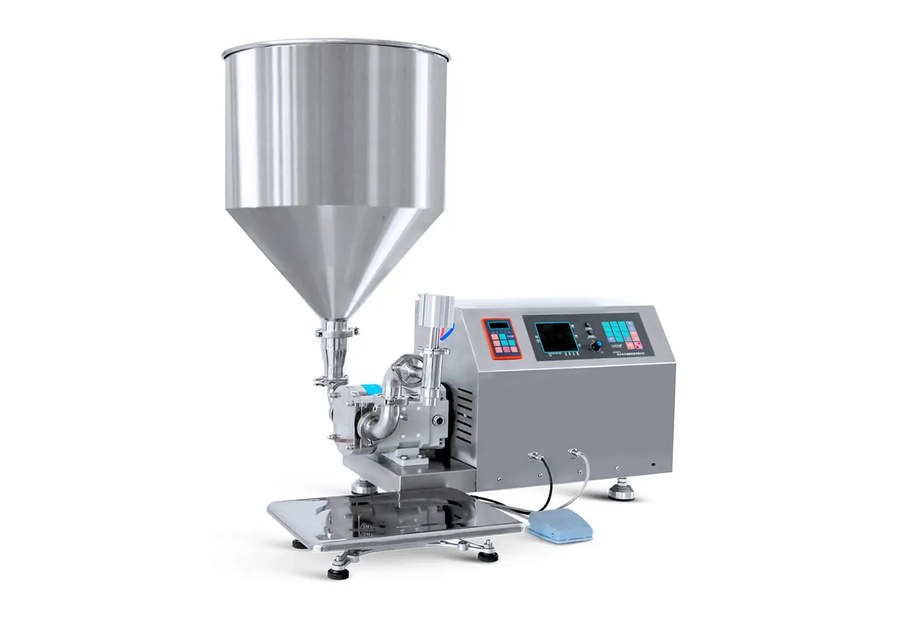
A product name is only the start. Production temperature, texture, chemistry and cleaning requirements decide the machine route.
These factors commonly change the dosing method, nozzle, product feed or line layout.
Heavy products may need ram, pump, heated hopper or controlled transfer rather than gravity feed.
Nozzle shut-off, suck-back and nozzle movement determine whether the pack and machine stay clean.
Fillers and solids affect pump, seal, valve and hose wear.
High-value or difficult-to-clean products make dead volume and product recovery commercially important.
The best shortlist normally contains two or three practical routes tested against the real product and pack.
Positive displacement for products that can pass through a suitably sized valve and nozzle.
A continuous pump route for selected viscous products, subject to shear and wear.
Controlled temperature for waxes, hot melts or products whose viscosity falls when warmed.
Dedicated container handling, nozzle positioning and closing for industrial pack formats.
Send enough detail to assess dosing, product-contact design, container handling and downstream operations.
Compare alternative filling methods and the equipment that may be needed before or after the filler.
Answers are general guidance. Final suitability depends on product trials, containers and the confirmed machine specification.
Potentially, but the product may require a pressure-fed or ram-fed supply, large-bore product path and shut-off nozzle. A sample review is important.
Options include a positive shut-off nozzle, suck-back, nozzle lift, heated product path or a different dosing pump. The product's break-off behaviour should be tested.
It may be possible, but seal, valve and cylinder wear must be assessed. Material choice and maintenance intervals become part of the specification.
Yes, with project-specific cartridge handling, filling, air management and plunger or cap insertion. The cartridge format and product are needed for trials.
Compare the next most relevant machine routes before you choose a final specification.
Automatic paste filling machines for sauces, creams, gels, honey, adhesives and viscous products, with piston, servo and pump-fed options from Lancing Ltd.
View optionsCompare automatic piston filling machines for accurate liquid and paste dosing, including multi-head, servo and conveyorised options for UK production lines.
View optionsPlan automatic filling machine cleaning, product recovery, allergen control, strip-down, flush routines, recipes and container changeover.
View optionsAn adhesive trial should distinguish the product as supplied from the product after it has stood in the hopper, hose and nozzle. State whether air, moisture, temperature or component mixing changes the material. A short run that never pauses may miss skinning, stiffening, string formation or a blocked cut-off path.
No. Filling unmixed components into separate packs is a different duty from proportioning, mixing and dispensing a reactive blend. The second requires a defined ratio-control method and management of the mixed-material working time. Do not treat a two-head filler as evidence of two-component metering capability.
Ask for an accessible product-recovery and cleaning route before a reactive material can enter inaccessible cavities. Define how a pause is handled, which material is retained or discarded and who authorises restart. These decisions depend on the actual chemistry and the manufacturer’s product information, not a generic setting.
For pigment-rich industrial materials, compare the paint and coatings selection guide. The product-feed systems guide addresses pressure and supply stability. Send the handling conditions and intended pack so the trial can challenge the real limitations.
Send the product, pack and output details that matter. We’ll compare the most practical dosing and line options for you.