Product-contact system
Inspect approved hoses/tubes, seals, valves, pumps, cylinders, nozzles, clamps and connections for wear, leakage, damage, residue and correct identification.
A useful maintenance plan links each task to a known failure mode, observable condition, safe access method and verification step — then holds the parts that protect production continuity.
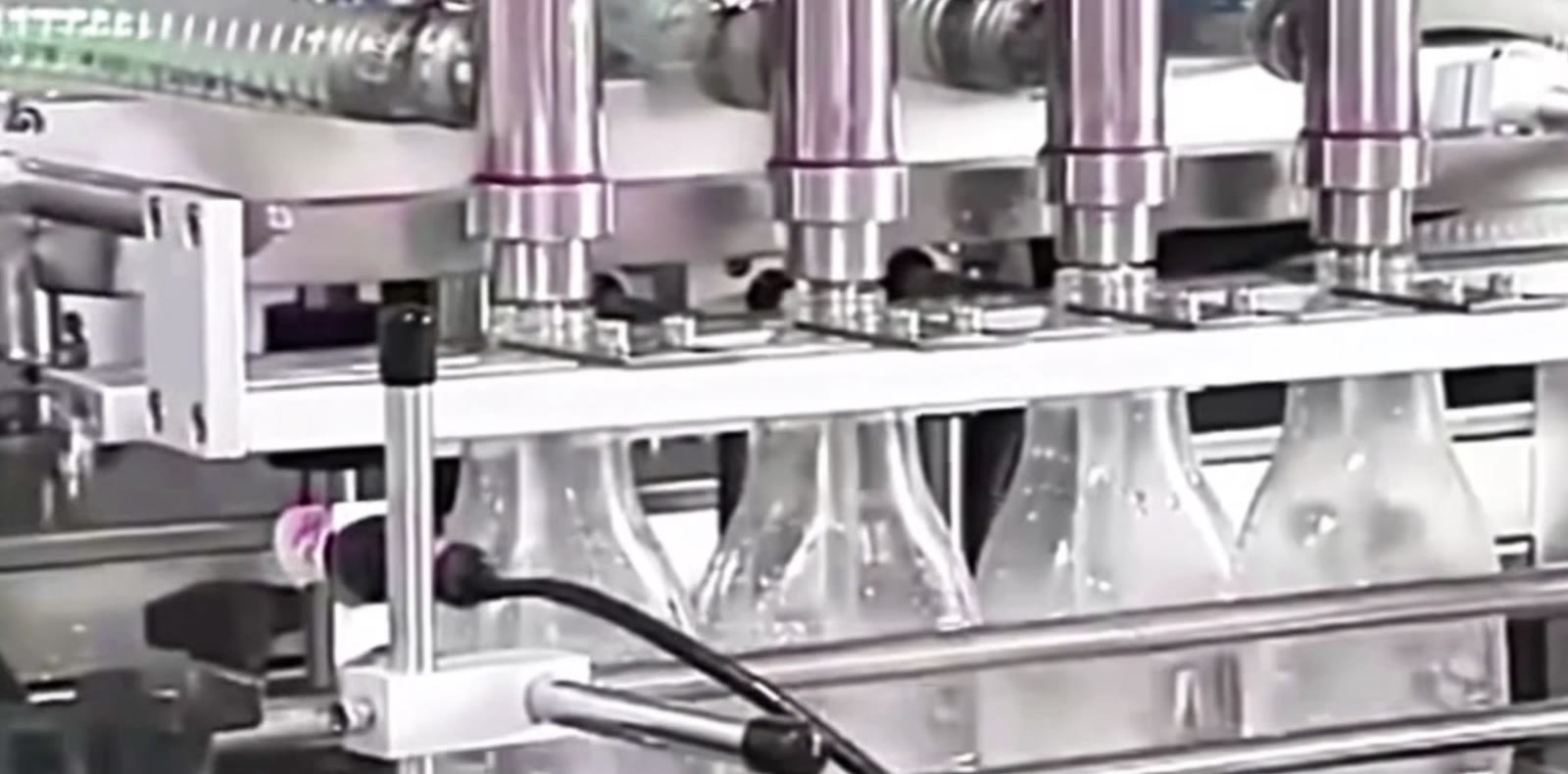
The supplied manual and project-specific risk controls remain authoritative. The framework below helps the site organise inspections, records and spares around the way the filler is actually used.
Inspect approved hoses/tubes, seals, valves, pumps, cylinders, nozzles, clamps and connections for wear, leakage, damage, residue and correct identification.
Review actuators, guides, bearings, belts, screws, tracking axes and lubrication points using authorised safe-access procedures.
Check guides, gates, starwheels, sensors, brackets and conveyor transitions for looseness, wear and format-setting errors.
Verify authorised backups, alarms, interlocks, emergency functions, sensors, cables and user access according to the maintenance/test schedule.
Look for retained product, damaged finishes, incorrect seals, missing parts and reassembly risks revealed during strip-down.
Record the condition, part, action and verification. A completed task is not a production release until the affected function has been checked.
Frequencies must come from the supplied instructions and site experience. Use this matrix to define what is checked, why it matters and how the machine is verified afterwards.
| System | Example condition/failure mode | Post-task verification |
|---|---|---|
| Pump/metering device | Wear, leakage, loss of prime, abnormal noise, inconsistent displacement or product damage. | Leak-free run, stable prime and agreed dose check. |
| Valves and nozzles | Slow closure, damaged seals, restriction, drip, stringing or external build-up. | Clean cut-off, correct actuation and closure-zone check. |
| Hoses/tubes/fittings | Hardening, softening, flattening, cracks, movement, wrong part or air ingress. | Correct part/routing, secure connections, no leaks/air and repeatable fills. |
| Product feed | Level/pressure instability, blockage, aeration, recirculation fault or incorrect isolation. | Stable supply through start, run, refill, pause and restart. |
| Conveyor/indexing | Guide wear, looseness, sensor drift, poor spacing, pack damage or unstable transfer. | Correct format setting and repeated pack journey through all states. |
| Safety/guarding | Damaged guard, misalignment, failed interlock, cable damage or uncontrolled reset. | Documented functional test by competent/authorised personnel. |
| Controls/recipes | Lost settings, unauthorised change, outdated backup, unclear alarms or failed interface. | Correct version/recipe, backup confirmation and agreed automatic-cycle test. |
A long spare-parts list is not the same as a continuity plan. Rank each item by failure likelihood, production consequence, detectability, shelf life, interchangeability and replenishment time.
| Spare category | Planning question | Control |
|---|---|---|
| Wear parts | Which seals, tubes, belts or contact parts are expected to change in normal duty? | Approved part reference, quantity, storage condition and replacement trigger. |
| Single-point failure | Which sensor, valve, drive or control part can stop the entire line? | Criticality, compatible replacement, backup parameters and competent change procedure. |
| Format-specific parts | Which guides, pockets, nozzles or change parts are unique to a product or pack? | Labelled storage, condition check and format ownership. |
| Long-lead assemblies | Which pump, motor, controller or fabricated part would take longest to replace? | Repair/exchange strategy and agreed support route. |
| Consumables and service tools | Which lubricants, filters, tubing, seals, gauges or tools are required to perform planned tasks? | Correct specification, shelf-life check and replenishment level. |
| Software/data | Which recipes, PLC/HMI backups, parameters and drawings are needed for recovery? | Controlled offline copy, version record and restore responsibility. |
Provide the machine identity, duty, product, operating pattern and current failure concerns. Lancing can identify which documentation or part references should be confirmed for the actual equipment.
Prioritise parts whose failure stops production, that wear in normal duty, have a longer replacement lead time, or are product/format-specific. The final list must match the supplied machine and maintenance plan.
Use the manufacturer’s instructions, operating hours/cycles, product severity, cleaning exposure and observed condition. A generic calendar interval may be inappropriate for a short clean campaign or continuous abrasive duty.
The strategy depends on material, risk, access and failure consequence. Some applications use planned replacement; others combine inspection and performance monitoring. Replacement parts and evidence must match the approved product path.
Record machine hours/cycles, product/format, alarm, affected channel, part identity, observed condition, action, settings and post-maintenance verification.
Confirm correct reassembly, leak-free operation, guards and safety state, then perform an authorised functional and first-off dose check before production release.
Send the product, pack and output details that matter. We’ll compare the most practical dosing and line options for you.