Unit 5A Jefferson Way, Thame, Oxfordshire, OX9 3SZ

Search machine types, applications, buyer guidance and filling-line topics.

Format and tooling control

Which filling-machine change parts are needed for a new container format?

Change parts are dedicated or adjustable components used to present, guide, fill, transfer or close a particular product and pack format. A complete format definition includes physical parts, settings, recipes, tools and the checks needed before production is released.

  • Define each format set
  • Control parts and settings
  • Verify the first acceptable pack
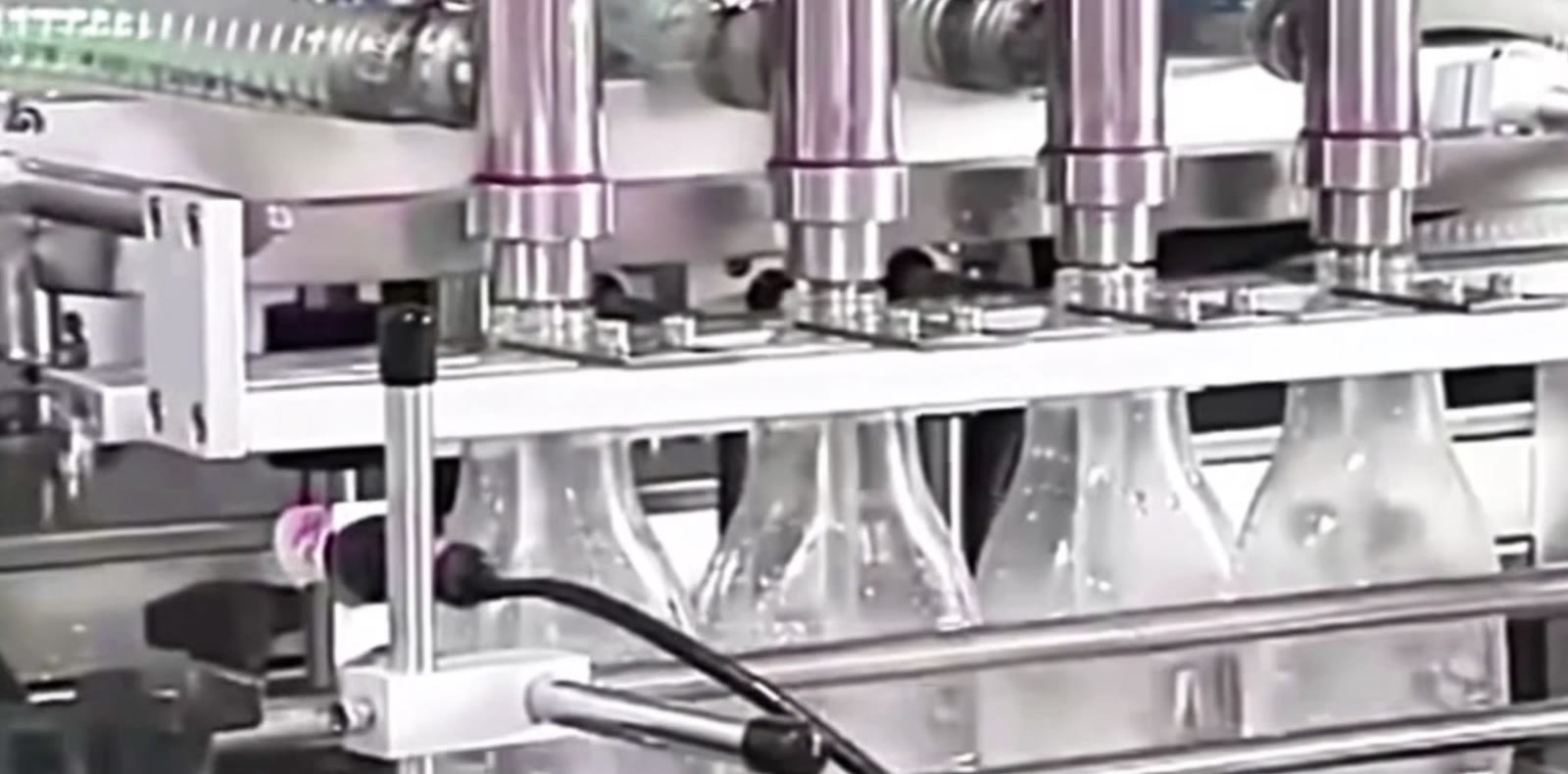
Automatic multi-head filling machine presenting bottles beneath filling nozzles
Filling-machine change parts should be decided from the verified product, pack and production duty
Direct answer

What are filling-machine change parts?

Filling-machine change parts are components that are changed, repositioned or adjusted when the product, dose, container or line format changes. They can include nozzles, product-contact parts, guide rails, stops, timing screws, star wheels, clamps, funnels, sensors and tooling. The exact set depends on the machine and must be documented for each approved format.

Decision framework

Compare the application under common, testable conditions

Use the same product, pack and acceptance method for every option so a technology label does not replace evidence.

Change areaPossible format-dependent itemsRelease evidence
Product pathCylinder, pump, tubing, seals, valves, nozzle or hopper partsCorrect identity, assembly, cleanliness and leak check
Container handlingGuides, stops, screws, stars, pockets, clamps or neck supportsStable infeed, fill position and outfeed through normal states
ControlsRecipe, timing, sensor positions, speed and motion profileAuthorised recipe and recorded verification
Downstream interfaceTransfer guides, cap tooling, label position or inspection settingsAccepted finished pack across the connected line
Storage and controlRacks, labels, part numbers, tools and condition checksComplete kit issued and returned without damage
Questions buyers ask

Practical questions about filling-machine change parts

Each answer starts with the decision, then explains the conditions and evidence that change it.

Are adjustable guides better than dedicated change parts?

Adjustable guides can reduce the number of stored parts and support a range of containers, but they introduce settings that must be recorded and reproduced. Dedicated parts can provide positive location for demanding shapes, yet they increase cost, storage and changeover handling. The better choice depends on container stability, tolerance, output and frequency of change.

Evaluate repeatability, not only the first setup. A second operator should be able to reproduce the released format using the approved instructions and parts.

What should a filling-machine format schedule contain?

A format schedule should identify every approved product, dose, container, closure and line route, together with the required product-contact module, nozzles, handling parts, recipe, sensor positions, tools and acceptance checks. It should distinguish common parts from format-specific items and note any incompatible combinations.

Use controlled names or part numbers that match labels on the physical kit. Avoid relying on photographs alone when similar-looking components have different dimensions or materials.

Why are real container tolerances important for change-part design?

Change parts must accommodate normal dimensional, shape and surface variation without allowing tipping, trapping, scuffing or a missed fill position. A nominal drawing may not show ovality, wall flexibility, seam position or batch variation. Filled containers can also behave differently from empty ones.

Supply representative production samples from more than one normal batch where possible, including known extremes. The trial should confirm infeed, filling, transfer and downstream handling.

How should recipes and physical change parts be linked?

The machine should make it clear which recipe is approved with which product-contact and container-handling set. Selecting a recipe without the correct parts can create a dosing, contact or collision risk. Use format identifiers, checklists and, where the machine supports it, controlled confirmation or sensing of critical tooling.

The release process should verify both the physical setup and the software settings before containers enter automatic production.

What should be checked after a format change?

Check correct parts and recipe, safe guards and access, container stability, nozzle clearance, dose result, drips or foam, neck cleanliness, transfers, closure or label result, inspection settings and rejection. Run enough containers to observe the full path and normal start/restart behaviour before releasing production.

Record who completed and independently verified the change, together with any adjustment made from the approved baseline.

Should spare change parts be purchased?

Criticality should be assessed from lead time, likelihood of wear or damage, whether the part stops all production and whether an alternative format can run. Product-contact seals and wear parts may need planned stock, while large dedicated components may justify a different contingency. A spare that is not identified, stored and inspected may not be available when needed.

Create a controlled list for each format and inspect kits during return to storage so damage is found before the next production run.
Prepare the evidence

Information to provide before quotation or trial

A complete brief lets Lancing separate confirmed requirements from assumptions and choose a representative test.

  • Complete product, dose, container and closure format schedule
  • Representative samples and drawings with tolerance information
  • List of common and dedicated product-contact and handling parts
  • Recipe names, controlled settings and authorised adjustment limits
  • Change-part identification, storage, tools and condition checks
  • First-off pack inspection and independent release method

Discuss the verified production duty

Send the product, container, dose range, output condition and existing line information. Lancing can review the most practical machinery route and identify where samples or a trial are needed.

Choose with confidence

Get a filling-machine shortlist built around your product.

Send the product, pack and output details that matter. We’ll compare the most practical dosing and line options for you.

Call an expert