Presentation
Drips, strings and contaminated necks can spoil premium packs and interfere with pumps, caps or labels.
Protect presentation, dose accuracy and product quality while handling a wide range of viscosities, bottle shapes, pumps and closures.
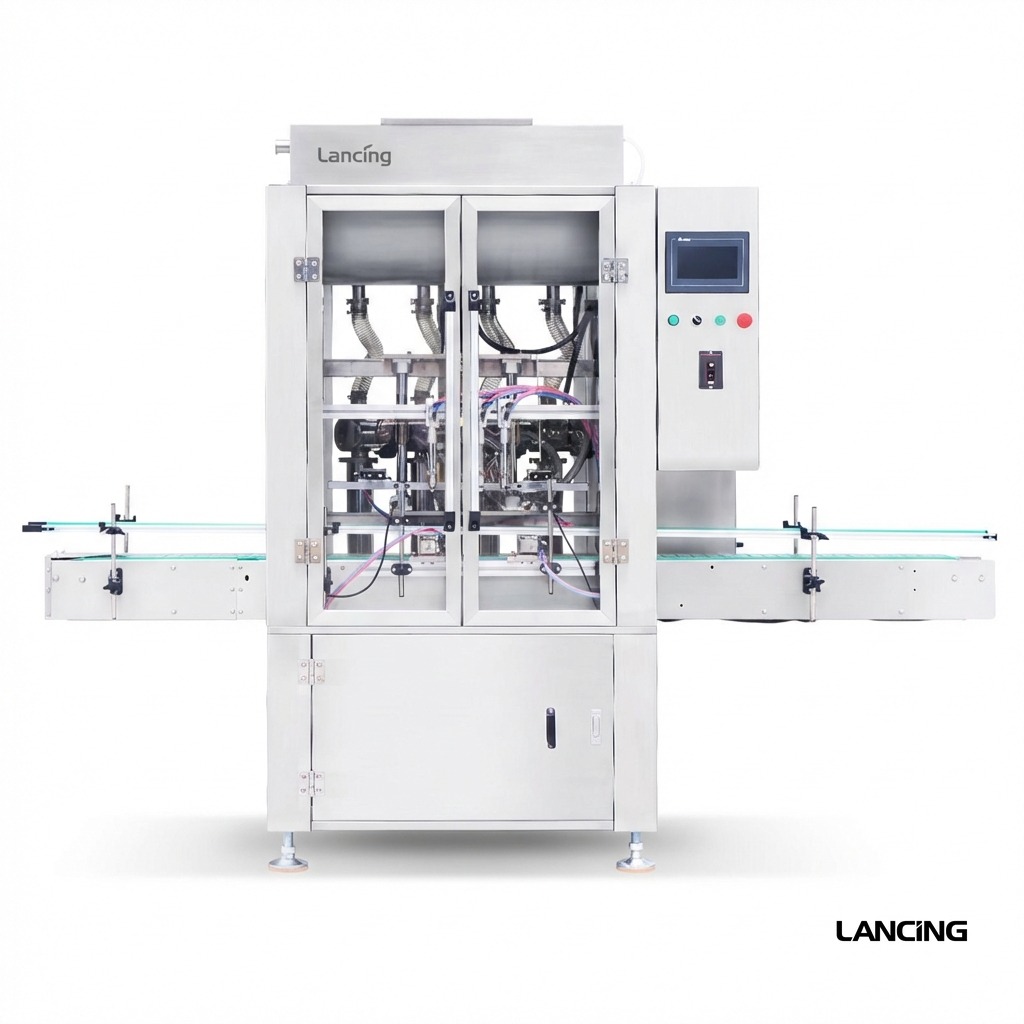
A product name is only the start. Production temperature, texture, chemistry and cleaning requirements decide the machine route.
These factors commonly change the dosing method, nozzle, product feed or line layout.
Drips, strings and contaminated necks can spoil premium packs and interfere with pumps, caps or labels.
A product portfolio may include water-thin fragrance, foaming shampoo and high-viscosity cream, requiring more than one dosing route.
Some formulations trap air, lose structure or change appearance when pumped too aggressively.
Pumps, triggers, droppers, plugs and crimp closures affect line speed and container handling.
The best shortlist normally contains two or three practical routes tested against the real product and pack.
Creams, lotions and gels that need positive displacement, controlled speed and clean cut-off.
Liquid cosmetics, shampoos and selected formulations matched to the pump technology.
Perfume, fragrance and thin liquids in rigid bottles where a consistent visible level is required.
Filling integrated with pump or cap placement, capping, crimping, labelling and coding.
Send enough detail to assess dosing, product-contact design, container handling and downstream operations.
Compare alternative filling methods and the equipment that may be needed before or after the filler.
Answers are general guidance. Final suitability depends on product trials, containers and the confirmed machine specification.
A piston or positive-displacement pump filler is often considered, with nozzle shut-off and product feed selected for the cream's viscosity, aeration and cleaning needs.
It may be possible if the dose, viscosity and cleaning range are within the machine design. Products with very different behaviour can justify separate dosing sets or machines.
Pumps can be fed, oriented, placed and tightened, but long dip tubes and irregular shapes require careful cap-feed and pick-and-place design.
It is mainly used for thin liquids in rigid containers, such as fragrance or essential oils, where a consistent visual fill line matters.
Compare the next most relevant machine routes before you choose a final specification.
Automatic paste filling machines for sauces, creams, gels, honey, adhesives and viscous products, with piston, servo and pump-fed options from Lancing Ltd.
View optionsAutomatic vacuum filling machines for consistent liquid levels in rigid bottles, including perfume, essential oils, juices and other low-viscosity products.
View optionsAutomatic bottle filling lines integrating filling, capping, labelling, coding, inspection and conveyors for UK liquid, paste and chemical production.
View optionsSerums, fragrances and other low-volume products can make nozzle clearance, priming and product-contact changeover more important than headline speed. Lotions, gels and shampoos may instead be controlled by foam, viscosity, stringing and the ability to keep pump or closure areas clean.
Use the small-bottle filling guide for narrow openings and low doses, and the hygienic-design guide to define strip clean, replaceable product paths, COP or CIP expectations.
Send the product, pack and output details that matter. We’ll compare the most practical dosing and line options for you.