Unit 5A Jefferson Way, Thame, Oxfordshire, OX9 3SZ

Search machine types, applications, buyer guidance and filling-line topics.

UK machinery safety planning

What should an automatic filling-machine risk assessment cover?

A filling-machine risk assessment must consider the actual equipment, product, people, tasks and site. Supplier documentation and conformity information are important inputs, but the user still needs to assess installation, operation, cleaning, maintenance, interfaces and foreseeable interventions in the final workplace.

  • Assess the real application
  • Include non-production tasks
  • Control changes and interfaces
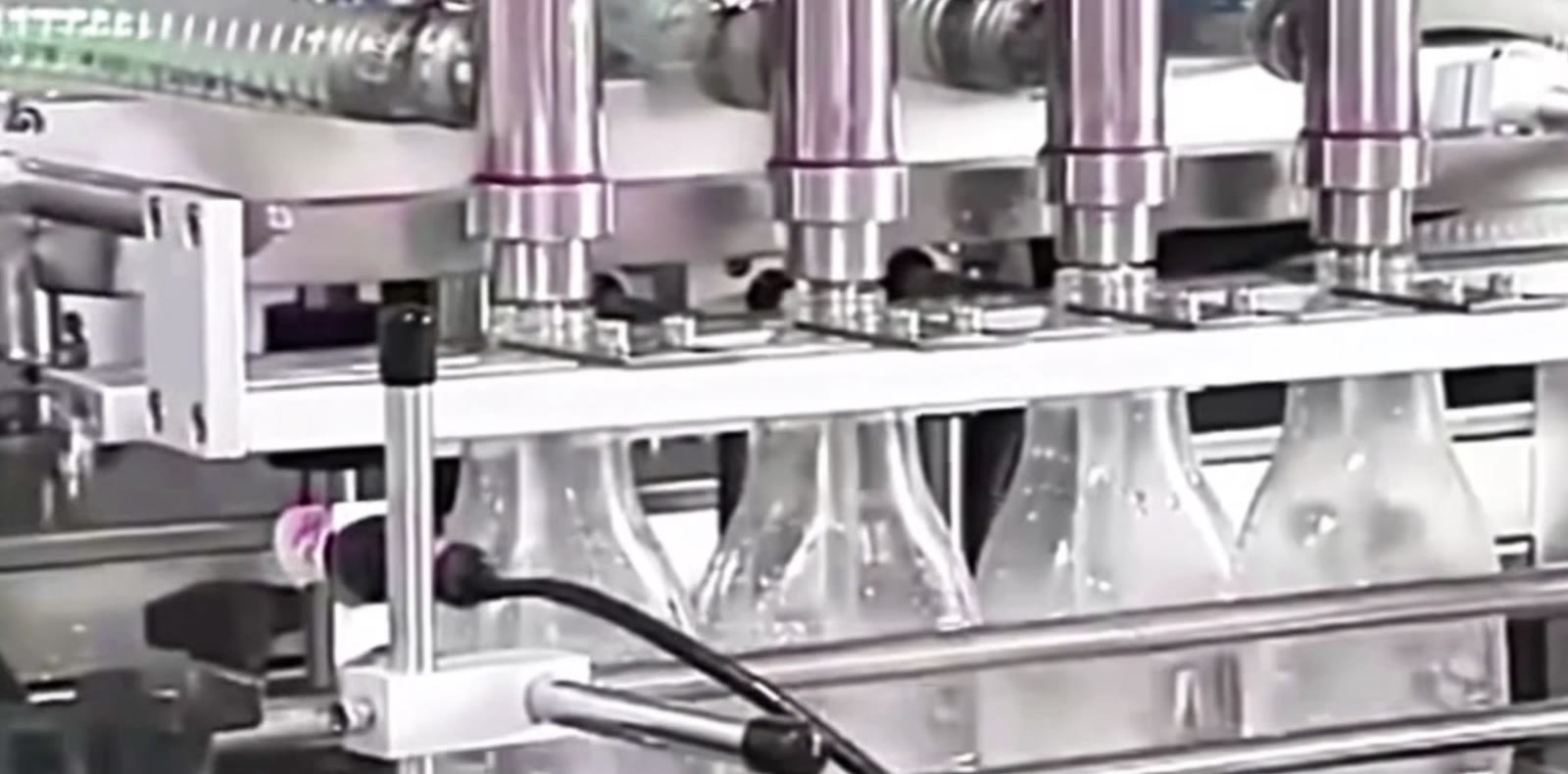
Automatic multi-head filling machine presenting bottles beneath filling nozzles
Filling-machine safety should be decided from the verified product, pack and production duty
Direct answer

Who is responsible for the filling-machine risk assessment?

The organisation that controls the use of the filling machine is responsible for managing workplace risks, with competent input from the supplier, installer and relevant specialists. The assessment should cover the final installed system and the way it will be operated, cleaned, maintained and changed. Supplier risk information does not replace the user’s site-specific duties.

Decision framework

Compare the application under common, testable conditions

Use the same product, pack and acceptance method for every option so a technology label does not replace evidence.

Risk areaQuestions to assessTypical evidence
Mechanical movementWhere can people reach, be trapped or be struck during every mode?Guarding review, task observation and safe-stop behaviour
Energy and pressureHow are electrical, pneumatic, hydraulic, thermal and stored energies isolated?Isolation schedule, diagrams and verification procedure
Product and cleaning chemicalsWhat health, fire, explosion, corrosion or reaction hazards exist?Safety data, DSEAR/COSHH assessment and compatibility review
Access and interventionHow are jams, samples, adjustment, cleaning and maintenance performed?Task-based risk assessment and authorised method
Line interfacesCan one machine create unexpected movement or release in another?Control narrative, interface matrix and fault testing
Change managementWhat happens when products, packs, software or machinery change?Controlled review, approval and revalidation record
Questions buyers ask

Practical questions about filling-machine safety

Each answer starts with the decision, then explains the conditions and evidence that change it.

Does CE or UKCA marking replace a workplace risk assessment?

No. Conformity marking and supplier documentation relate to placing machinery on the market and its intended use, while the user must still manage risks from the way work equipment is installed and used at the site. The final line, product, environment, operators and connected equipment can introduce hazards that are not resolved by the machine label alone.

The HSE explains that PUWER duties include selecting suitable equipment, maintaining it safely, providing safeguards, information and training, and inspecting installation-dependent equipment before use.

Which tasks should be included in a filling-machine risk assessment?

Include normal production, start-up, changeover, product refill, sampling, clearing foreseeable jams, cleaning, sanitation, adjustment, fault finding, maintenance, component replacement, isolation and decommissioning. Consider manual and recovery modes as well as full automatic operation. Many serious risks arise during intervention rather than steady production.

Observe how the task will actually be performed, including reach, posture, visibility, tools, product exposure and the possibility of unexpected movement or stored energy.

How do product hazards change the machinery assessment?

The product can introduce fire, explosion, health, corrosion, pressure, temperature, slip, reaction and environmental risks. Safety data and process conditions should be reviewed before choosing materials, ventilation, containment, electrical equipment, drainage and cleaning methods. Flammable vapours or combustible dusts may require a DSEAR assessment and hazardous-area decisions by competent people.

Do not infer suitability from a broad product name. Concentration, temperature, flash point, dust behaviour and cleaning chemicals can materially change the assessment.

What should be assessed for cleaning and maintenance access?

Assess how energy is isolated, dissipated and verified before access, and whether the task can be completed without reaching through safeguards or defeating interlocks. Include retained product, pressure, hot surfaces, sharp parts, raised components, confined spaces and chemical exposure. The method should be practical for the frequency of the task.

The HSE notes that maintenance must be planned and capable of being carried out safely, with equipment kept in an efficient state and maintenance records kept up to date where required.

When does a filling line need a risk-assessment review?

Review the assessment when products, containers, closures, line speeds, software, guarding, tools, cleaning chemicals, utilities, personnel or connected machinery change, and after incidents or evidence that existing controls are ineffective. A small production change can alter access, pressure, ignition or unexpected-start risks.

Use formal change control to identify affected documents, training, tests and approvals. Do not rely on a recipe name or informal operator knowledge as the only record.

Where can UK buyers find authoritative machinery-safety guidance?

The Health and Safety Executive publishes guidance on the Provision and Use of Work Equipment Regulations (PUWER), machinery safety, maintenance and the Dangerous Substances and Explosive Atmospheres Regulations (DSEAR). These sources explain employer duties and risk-control principles. They do not replace competent assessment of a particular filling application.

See the HSE PUWER overview, maintenance guidance and DSEAR guidance.
Prepare the evidence

Information to provide before quotation or trial

A complete brief lets Lancing separate confirmed requirements from assumptions and choose a representative test.

  • Final machine and line layout, guarding and access routes
  • All operating, cleaning, maintenance and recovery tasks
  • Electrical, pneumatic, hydraulic, thermal and stored energies
  • Product and cleaning-chemical safety information
  • Control interfaces, emergency stops, resets and restart behaviour
  • Competence, information, training, inspection and change-control needs

Discuss the verified production duty

Send the product, container, dose range, output condition and existing line information. Lancing can review the most practical machinery route and identify where samples or a trial are needed.

Choose with confidence

Get a filling-machine shortlist built around your product.

Send the product, pack and output details that matter. We’ll compare the most practical dosing and line options for you.

Call an expert